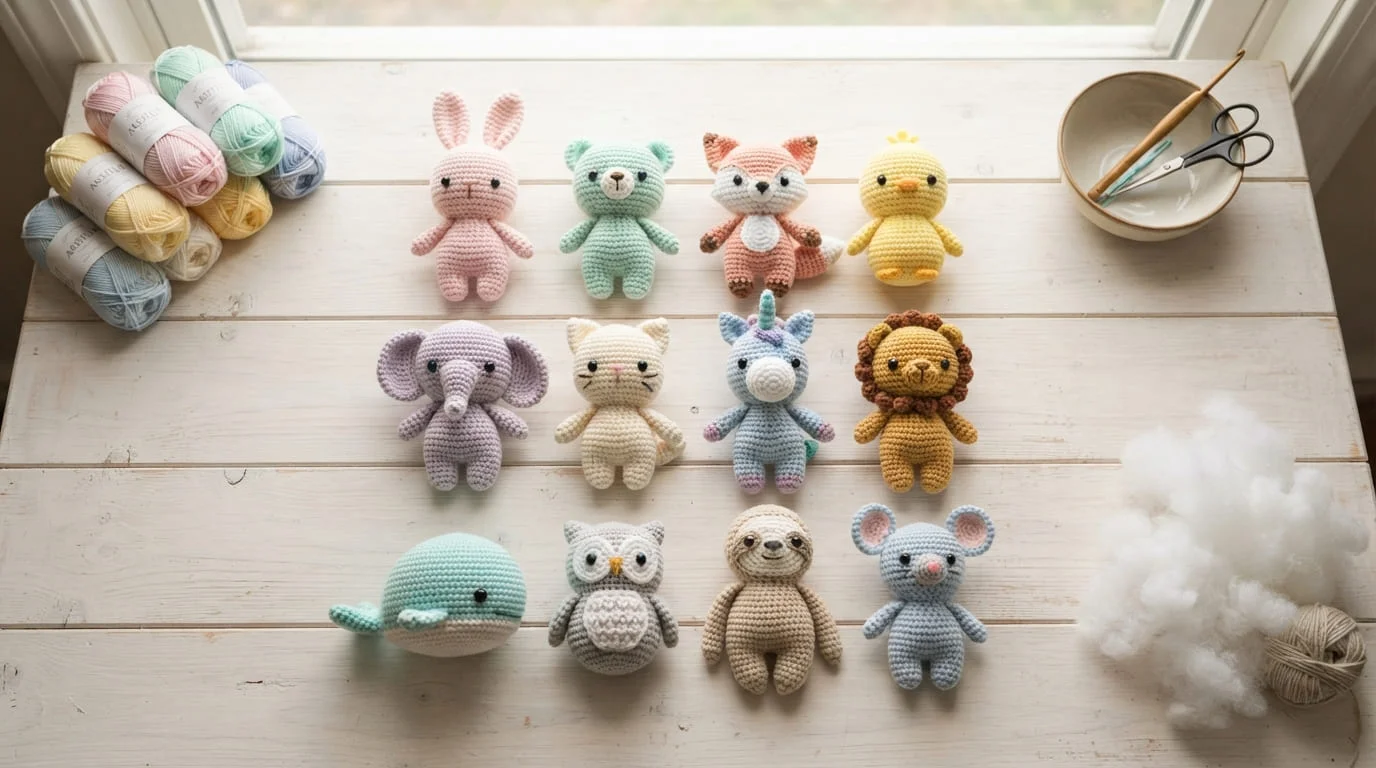
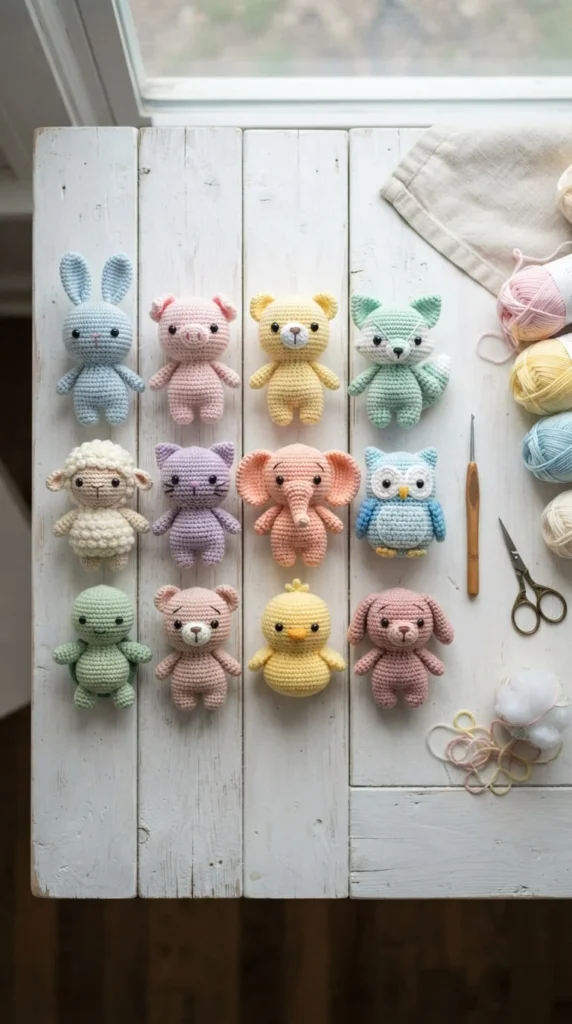
Amigurumi animals are one of the friendliest ways to learn crochet while making something genuinely cute along the way. Each of these projects relies on a small set of repeatable skills: a magic ring to start, single crochet worked in continuous rounds, and an invisible decrease to shape the final rows without leaving gaps. Once you’re comfortable with those three basics, you can crochet almost any small creature on this list using leftover yarn, a bag of stuffing, and a pair of safety eyes. Whether you want a quick keychain or a full-sized plush to gift, these 24 animals cover farm favorites, woodland critters, ocean creatures, and a few seasonal picks to keep your hook busy all year.
1. Mini Frog Keychain
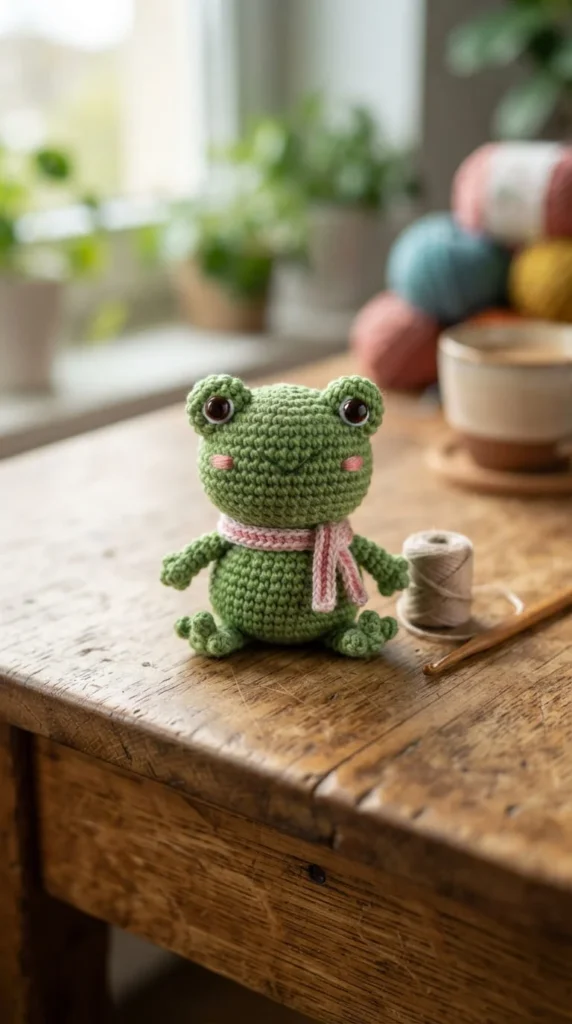
A mini frog is one of the fastest amigurumi projects you can finish, which makes it a great first attempt at a keychain. The body is just a small round shape worked with a magic ring and a handful of single crochet rounds. Budget tip: one small skein of green yarn makes several frogs, so this is a cheap way to practice before committing to a bigger animal. Add two small white circles topped with black safety eyes for the classic bulging frog look. Keep the whole project under two inches so it doesn’t weigh down a keyring. This is also a solid project for practicing your magic ring technique, since you’ll be starting fresh several times if you make more than one. Attach a metal clasp once the body is stuffed and closed. Frogs make fun party favors or backpack charms, and because they’re so quick, you can batch-make five or six in a single evening.
2. No-Sew Bunny
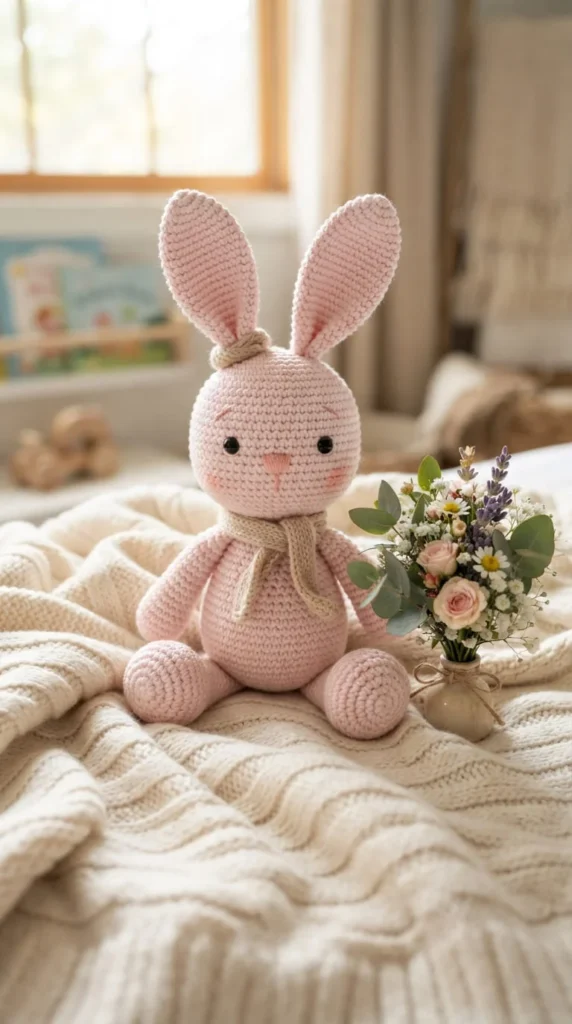
A no-sew bunny skips the fiddly step of stitching ears onto a finished head by working them directly into the body as you crochet. This cuts your finishing time in half and removes one of the trickiest parts for beginners. Budget tip: pastel-colored worsted yarn is inexpensive and widely available, and a single skein covers the whole bunny with yarn to spare. Insert your safety eyes before closing the head, since it’s much harder to place them evenly afterward. Keep the ears long and slightly floppy for the classic bunny look, or stiffen them with a small pipe cleaner if you’d rather they stand up. This project is ideal for Easter baskets, baby showers, or just a soft everyday companion. Because there’s no sewing involved, it’s a great pattern to hand to a beginner who wants a finished-looking toy without extra steps.
3. Woodland Fox
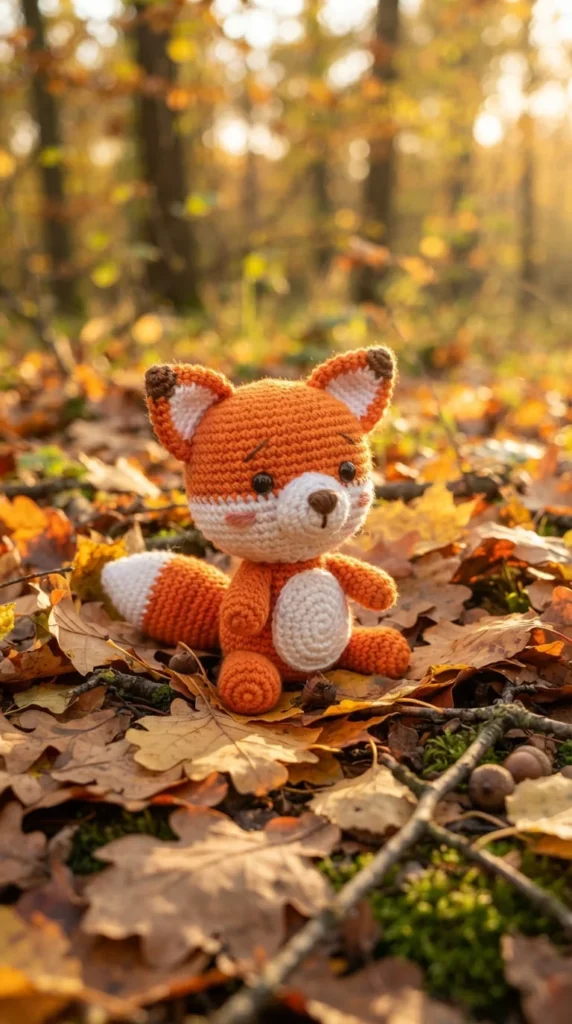
The woodland fox is a good project for practicing the invisible decrease, a technique that keeps your shaping smooth instead of leaving visible holes at the top of the head or the tip of the tail. Work the body in continuous rounds, then switch to invisible decreases as you shape the final rows. Budget tip: orange and white are common, affordable yarn colors, so this project won’t cost more than a basic solid-color animal. Add small black triangle ears and a fluffy tail using the same orange yarn for a cohesive look. This pattern is a nice step up once you’ve made a round animal or two and are ready to add pointed features like ears and snouts. A finished fox works well as a nursery decoration or a woodland-themed gift set alongside other forest creatures like owls or hedgehogs.
4. Chenille Piglet
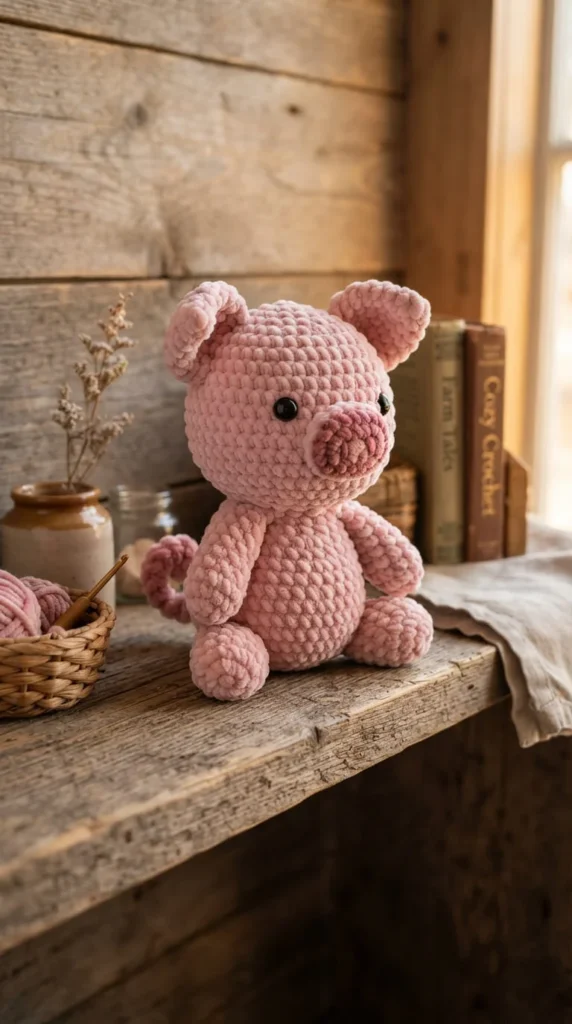
Using chenille yarn turns a basic piglet pattern into an extra soft, velvety toy that feels closer to a store-bought plush. The thick texture also means the project works up fast since each stitch covers more ground than a standard yarn. Budget tip: buy just one skein of chenille to test the texture before committing to a larger project, since chenille costs a bit more than basic acrylic. Use a slightly larger hook than usual, since chenille yarn splits easily with smaller hooks. Keep the snout flat and wide, and add two small nostril dots with black thread for a simple, expressive face. A curly tail made from a twisted length of yarn finishes the look. This piglet makes an especially good baby gift thanks to its soft texture, and it pairs nicely with other farm animals if you want to build a themed set.
5. Ocean Octopus
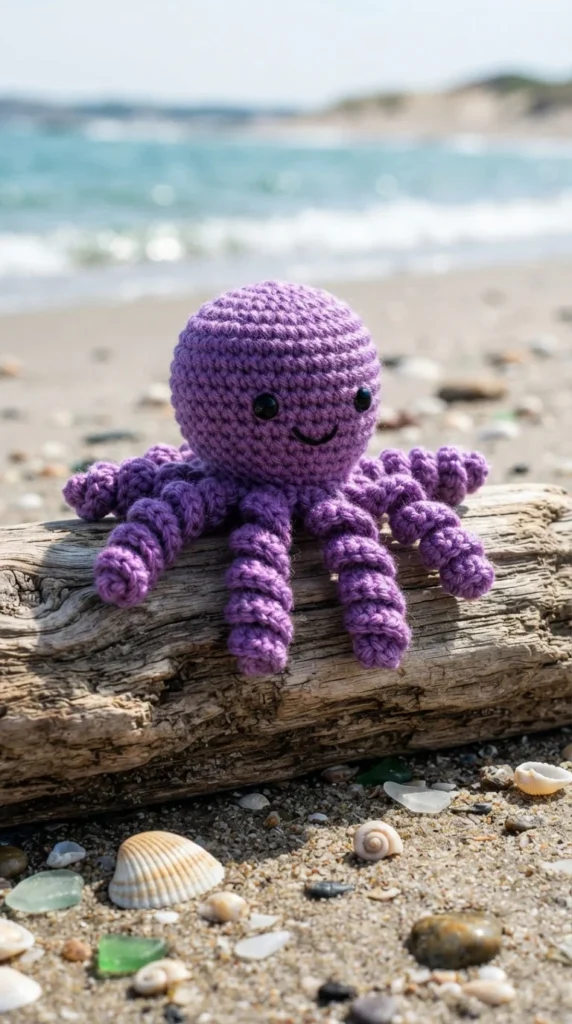
An octopus looks complicated but is really just a round body with eight simple crocheted legs attached. Each leg is worked as a short chain and single crocheted back, so there’s no advanced shaping required. Budget tip: a single skein of purple or blue yarn makes both the body and all eight legs, so this is a low-cost project despite looking detailed. Stuff the body firmly so it holds its round shape, then attach the legs evenly around the base before adding safety eyes on top. If you want a curled-leg look, wrap each finished leg gently around a pencil and steam it lightly. This project is a fun one for kids who love ocean animals, and it’s a satisfying next step once you’re comfortable attaching multiple small pieces to a single body.
6. Sleepy Sloth
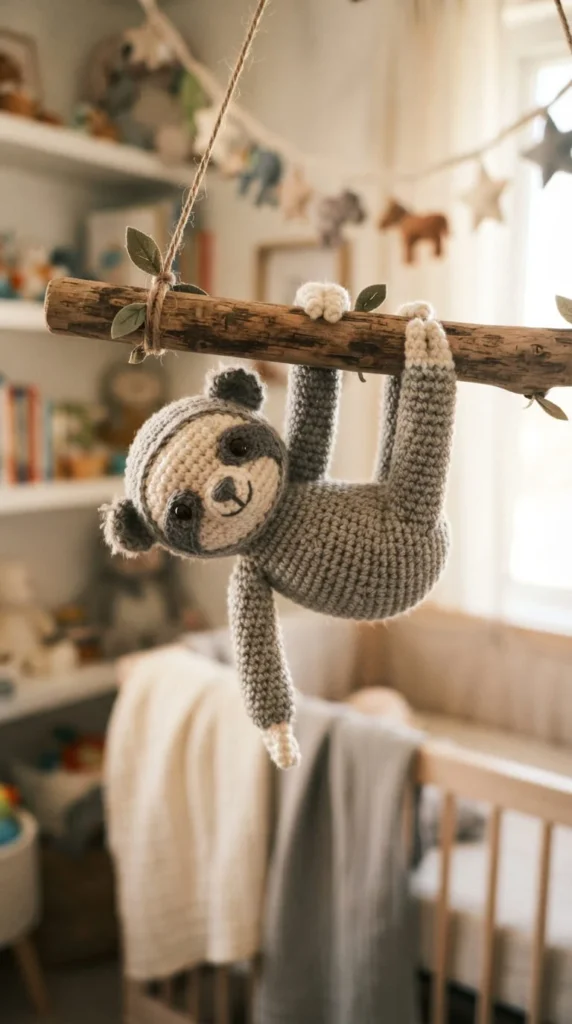
The sleepy sloth trend hasn’t slowed down, and it’s an easy animal to recreate in yarn thanks to its rounded body and simple curved arms. A gray or brown body paired with a cream face patch gives you the recognizable sloth look without much extra shaping. Budget tip: use leftover scraps for the face patch and claws, since you only need small amounts of the contrast color. Curl the arms slightly by working a few extra decrease stitches near the hands, giving the sloth its classic sleepy pose. Add closed, sleepy-looking eyes with a few simple embroidery stitches instead of round safety eyes for a calmer expression. This project makes a great gift for anyone who loves a slower pace, and its soft, huggable shape works well as a bedtime companion for kids.
7. Corgi Dog
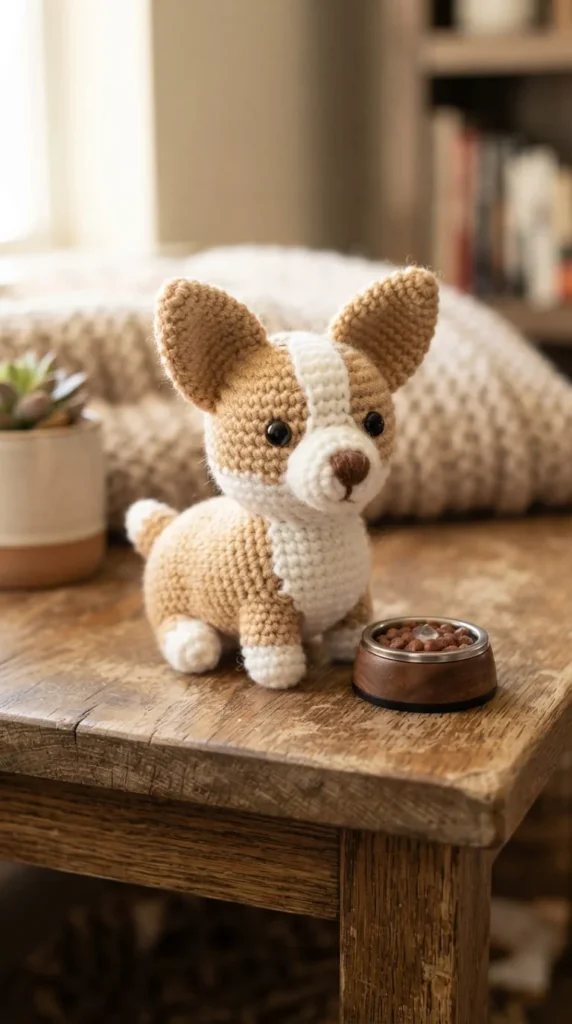
The corgi stands out among dog amigurumi thanks to its short legs and oversized ears, both of which are simple to recreate with basic shaping. Work the legs short and stubby by stopping a few rounds earlier than you would for a typical dog pattern. Budget tip: tan and white are inexpensive yarn staples, and you likely already have both colors in a basic starter stash. Add a small black nose using a few embroidery stitches for a clean, simple finish. This project is a great one for personalizing gifts for dog owners, especially since the breed’s silhouette is so recognizable even in a simplified yarn version. Once you’ve mastered the leg-attachment technique here, it transfers directly to other four-legged animals, making this corgi a useful stepping stone toward more advanced patterns.
8. Baby Elephant
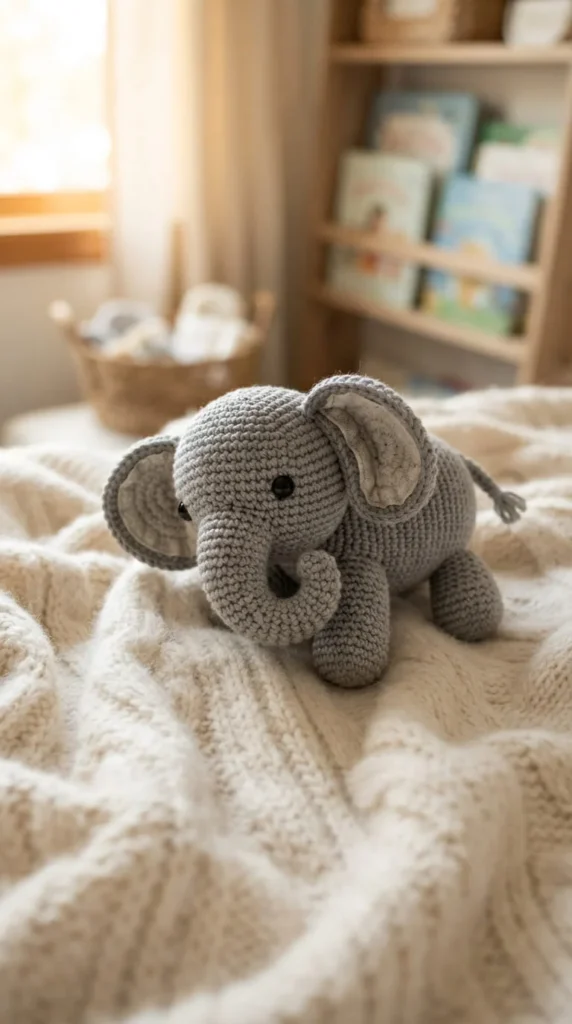
A baby elephant brings together a few simple shaping tricks: floppy ears, a curled trunk, and thick round legs. The trunk is worked as a slightly tapered tube, then curled and tacked in place once stuffed. Budget tip: gray yarn is affordable and easy to find, and this project uses a moderate amount, so one or two skeins covers the whole animal comfortably. Keep the ears large and rounded, working them flat before attaching to the head for that classic baby elephant look. This pattern takes a bit more patience than a basic round animal since there are more pieces to assemble, but it’s still approachable for someone with a couple of finished projects behind them. A soft gray elephant makes a lovely, gender-neutral baby shower gift that works for any nursery color scheme.
9. Hedgehog
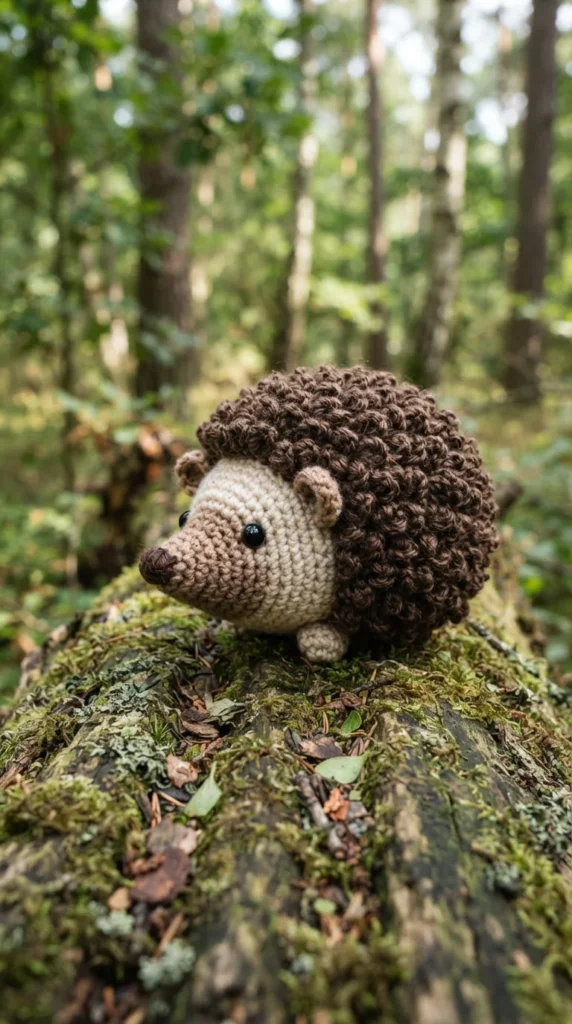
The hedgehog gets its signature texture from loop stitches or a bobble pattern worked across the back, giving it a spiky look without any sharp edges. The face and belly stay smooth and simple, worked in plain single crochet. Budget tip: brown and cream are both budget-friendly colors, and the spiky texture actually uses less total yarn than a fully smooth animal, since loop stitches use shorter yarn segments. Practice the loop stitch on a small swatch before starting the full project so you get comfortable with the rhythm. This is a fun texture project once you’re ready to move past plain single crochet and want to add visual interest to a design. A finished hedgehog works well as part of a woodland-themed gift set alongside foxes, owls, and mushrooms.
10. Owl
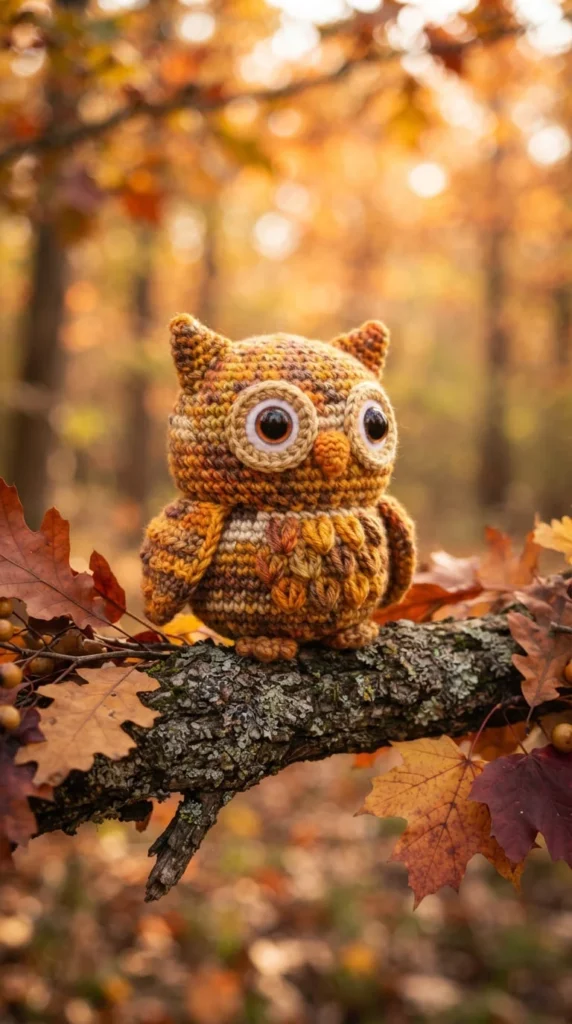
An owl is mostly a round body with two oversized eyes, making it one of the more forgiving shapes for beginners still building confidence with facial features. Large safety eyes are the star of this project, so don’t be afraid to size up for extra impact. Budget tip: use two contrasting yarn colors for a simple chest pattern instead of buying specialty variegated yarn, which keeps costs low while still adding visual interest. Small pointed ear tufts and a simple triangle beak finish the look. This project is a great one for practicing color changes in a low-stakes way, since the chest pattern doesn’t need to be perfectly symmetrical to look good. Owls make popular gifts for teachers, nature lovers, or anyone who appreciates a slightly wise-looking little creature on a shelf.
11. Panda Bear
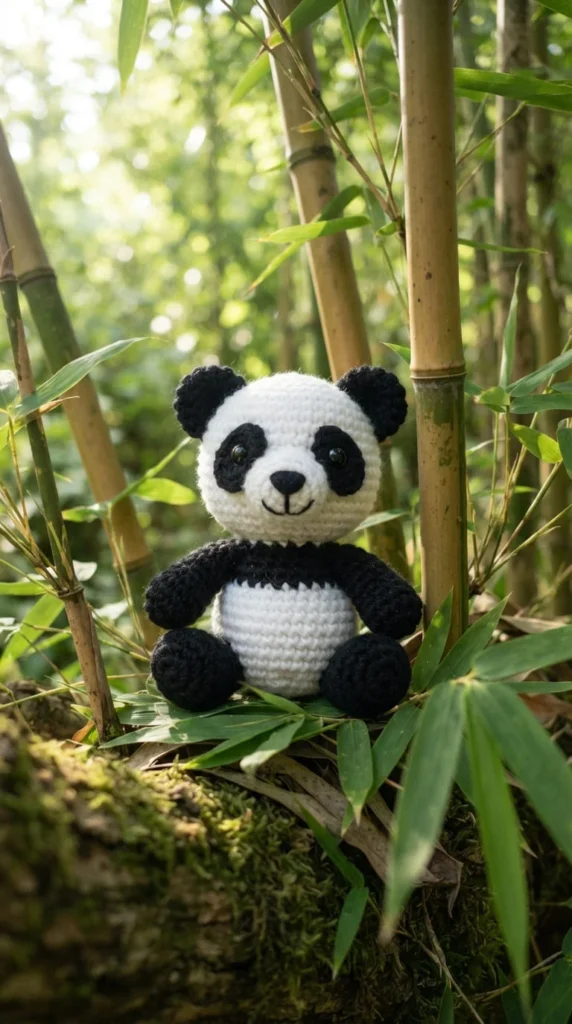
A panda bear uses simple color-blocking rather than complicated shaping to get its recognizable look. White for the body and head, with black patches for the ears, eye patches, and limbs, creates the classic panda pattern using only basic single crochet. Budget tip: black and white are two of the most common, least expensive yarn colors, so this project costs very little even with two colors involved. Work the eye patches as small flat ovals and attach them before adding safety eyes on top for extra dimension. Keep the limbs short and round for a chubby, baby-panda look. This project is an easy way to practice attaching two-color pieces cleanly, a skill that transfers to many other animal patterns. A finished panda makes a fun, universally loved gift for kids and adults alike.
12. Penguin
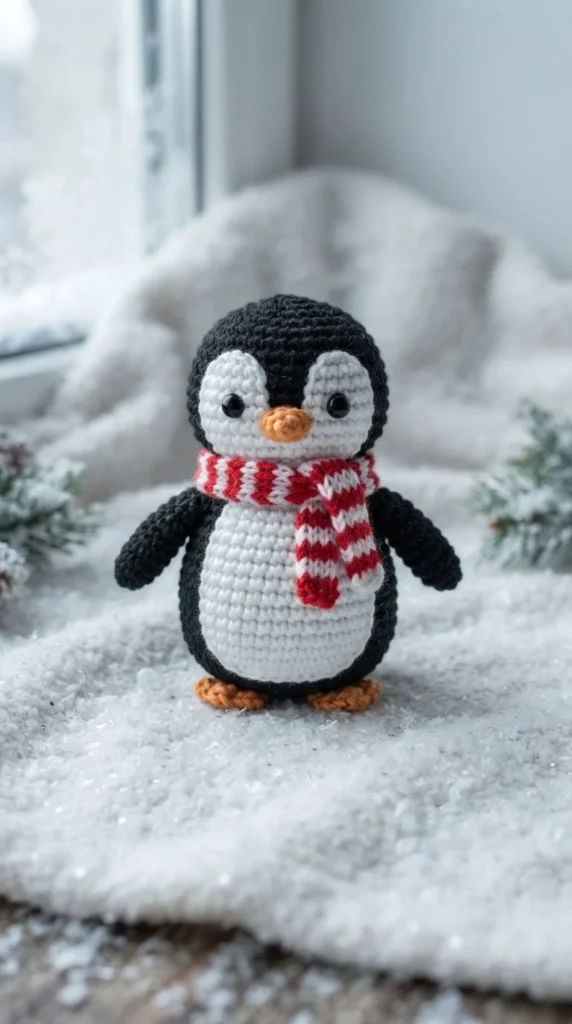
A penguin stands upright more easily than most amigurumi animals thanks to its naturally rounded, bottom-heavy shape. Black for the back and head, white for the belly, and a small orange triangle beak complete the classic look. Budget tip: this project uses very little of each color, so it’s a great way to use up small leftover scraps from bigger projects instead of buying new yarn. Stuff the base firmly so the penguin can stand on its own without tipping over. Small orange feet worked flat and attached to the bottom add extra stability and detail. This is a fun seasonal project for winter gifts or holiday decor, and its simple shape makes it approachable even for a first or second amigurumi attempt. Group a few penguins together for a cute holiday shelf display.
13. Sea Turtle
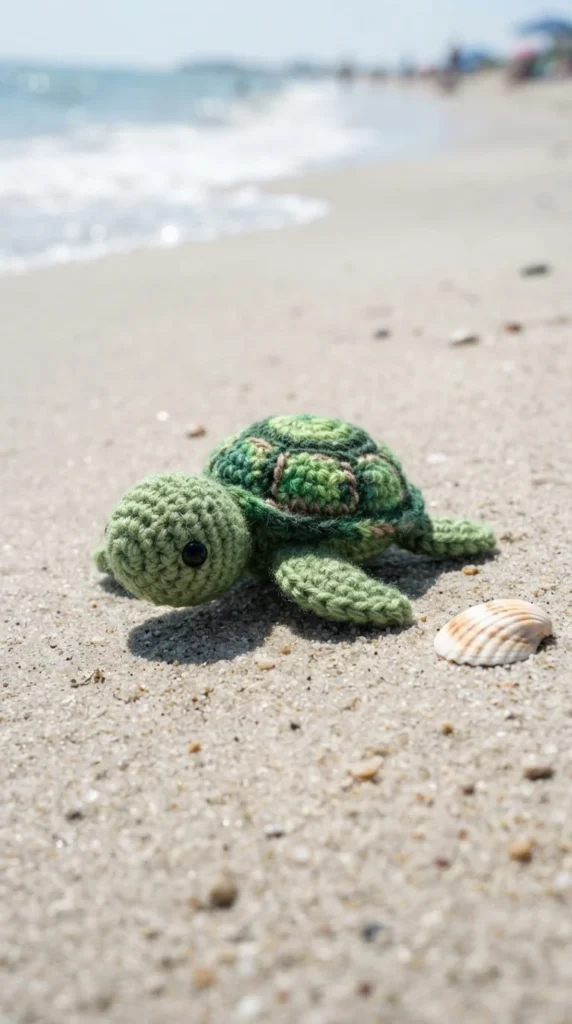
A sea turtle combines a flat, textured shell with four small flippers, giving beginners practice attaching multiple small pieces to a central body. The shell can be worked in a simple granny-square style for texture, or kept plain for a faster finish. Budget tip: green and cream yarn are both inexpensive, and the flat shell shape uses less yarn overall than a fully round animal body. Attach the flippers evenly around the shell edge, positioning two forward and two back for a natural swimming pose. This project is a great one for beginners who want to practice flat pattern-work before moving into more three-dimensional shaping. A finished sea turtle works well as a beach-themed gift or a calming desk companion, and it photographs nicely against sand or blue fabric backdrops if you’re documenting your makes.
14. Teddy Bear Cub
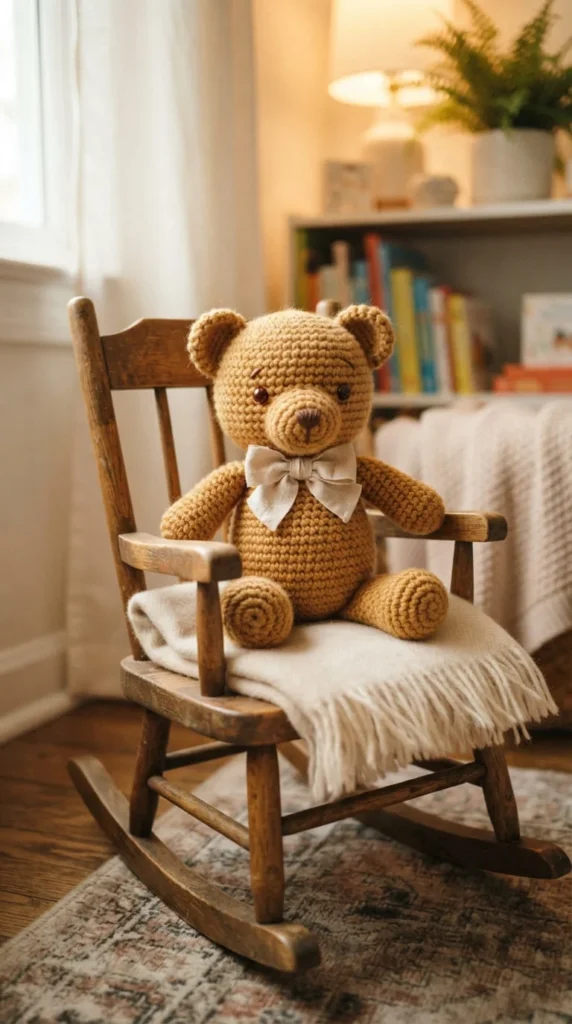
A classic teddy bear cub is one of the most requested amigurumi gifts, and for good reason. Its round ears, simple limbs, and soft honey-brown coloring feel timeless no matter the season. Budget tip: worsted weight acrylic yarn in a warm brown shade is one of the cheapest options available, and a single skein easily covers a small to medium bear. Add a lighter-colored muzzle patch and a small embroidered nose for a friendly, classic expression. Keep the limbs jointed if you want them to move, or stitch them directly to the body for a simpler, faster finish. This bear works well as a baby gift, a keepsake for a new sibling, or a comforting handmade toy for any age. Because the shape is so basic, it’s also one of the easiest patterns to resize larger or smaller depending on your yarn and hook.
15. Field Mouse
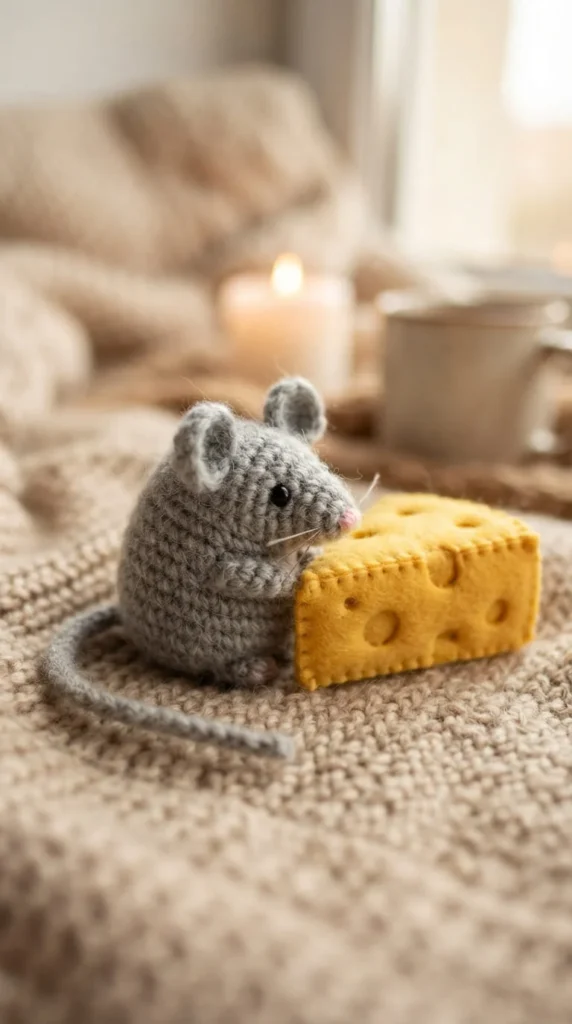
A field mouse is a small, quick project that’s perfect for practicing your safety eye placement, since the tiny face leaves little room for error. Insert the eyes before you close up the head, spacing them close together for a realistic mouse look. Budget tip: gray yarn scraps work perfectly here, and the whole mouse uses so little yarn that it’s essentially free if you’re already working through a stash. A thin crocheted or braided tail attached at the back finishes the look. Small round ears worked flat and stitched on add the final detail. This project is ideal for building confidence with tiny amigurumi before moving on to more detailed keychain-sized animals. A finished mouse makes a cute addition to a dollhouse, a keychain charm, or a quirky desk companion for anyone who appreciates small, detailed handmade pieces.
16. Spring Lamb
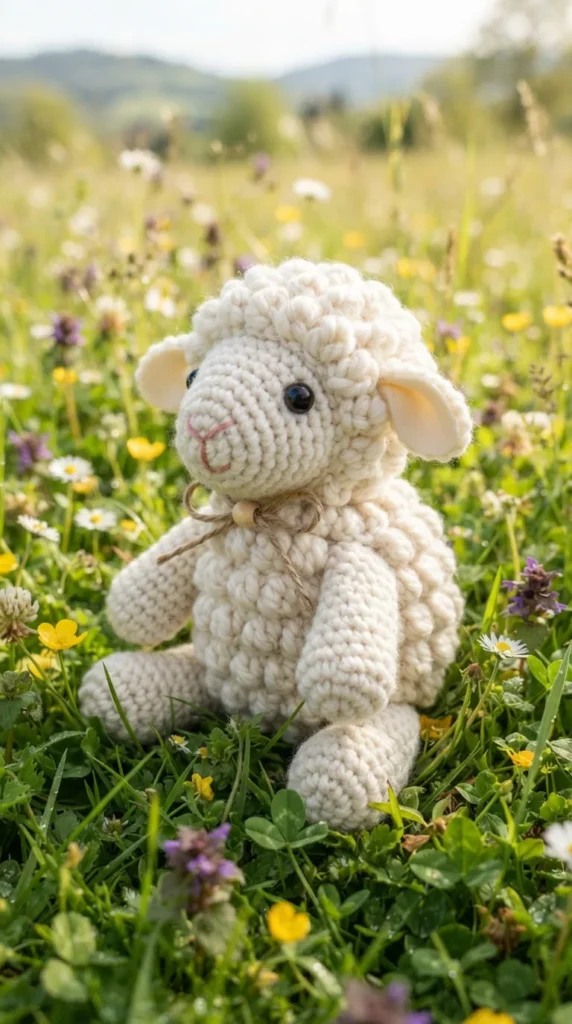
A spring lamb gets its fluffy, wool-like texture from loop stitches worked across the body, which mimic the look of real curly fleece without any special yarn. The face, legs, and ears stay smooth for contrast, usually worked in black or dark gray. Budget tip: white yarn is one of the most affordable and widely available colors, and loop stitching actually uses less yarn per round than solid single crochet, keeping costs down. Practice the loop stitch on a small swatch first to get your loop length consistent before starting the full project. This is a satisfying texture technique to add to your amigurumi toolkit, since it transforms a basic round body into something that looks far more detailed than it actually is. A finished lamb makes a lovely Easter or springtime gift, especially paired with other farm animals like chicks and piglets.
17. Baby Chick
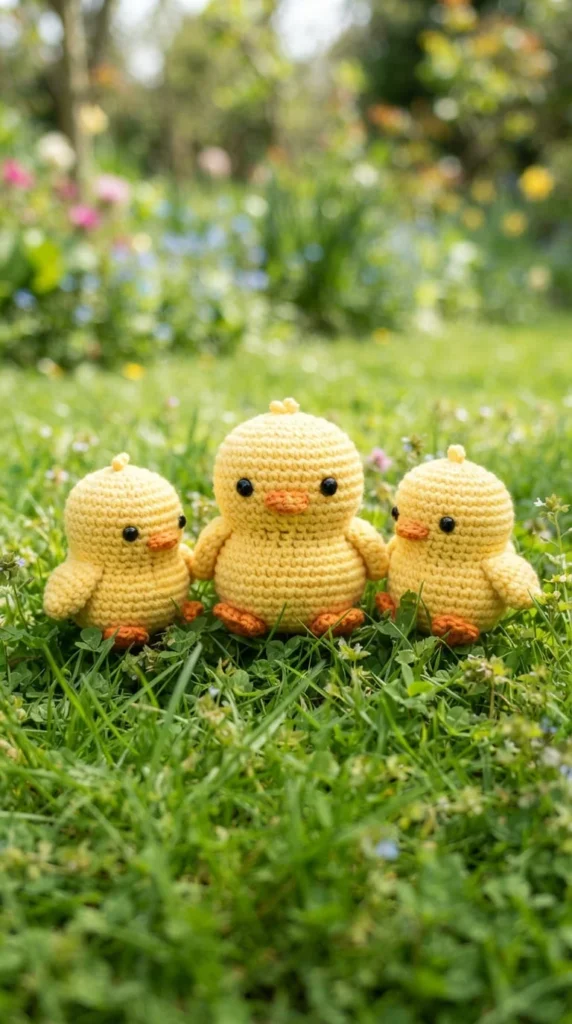
A baby chick is one of the fastest amigurumi projects on this list, and it’s a great confidence-builder for total beginners. The body is a simple yellow oval, topped with a small orange triangle beak and two safety eyes. Budget tip: one small skein of yellow yarn makes four or five chicks, making this an easy bulk-gift or classroom-treat project. Skip wings entirely for the quickest version, or add small flat wing pieces if you want a bit more detail. Because the shaping is so minimal, this pattern is often recommended as a literal first amigurumi project. Chicks also work well grouped in sets of three for a coordinated spring gift basket. Keep a couple pre-made on hand as quick last-minute gifts, since each one finishes in well under an hour.
18. Halloween Pumpkin Cat
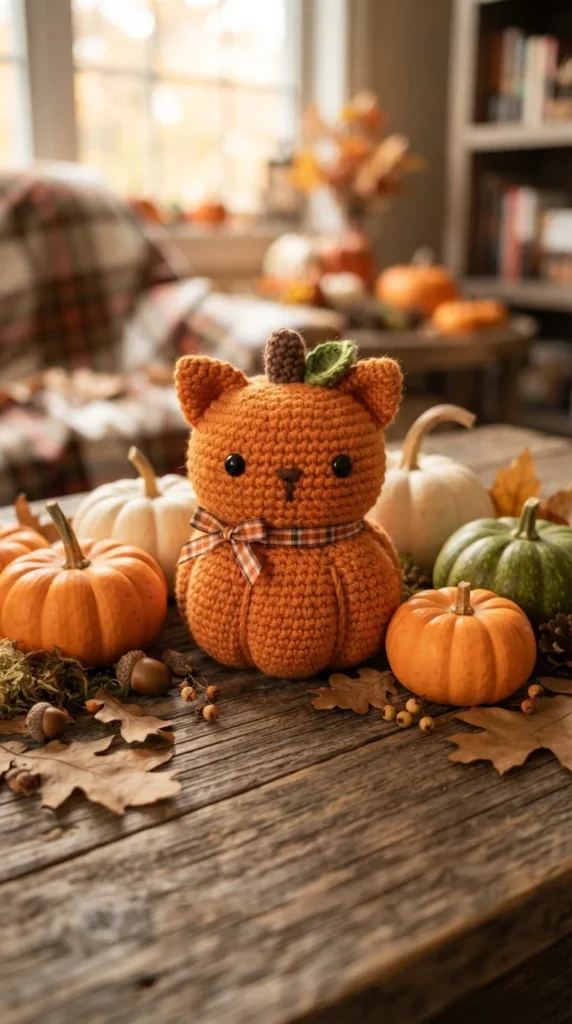
A pumpkin cat blends two seasonal favorites into one quick project: an orange pumpkin-ribbed body topped with a simple cat face and pointed ears. Work vertical ridges into the body using front-post stitches for the classic pumpkin texture. Budget tip: orange yarn is inexpensive year-round, and you likely already have black scraps on hand for the ears and facial details, so this costs very little to make. A small green stem worked separately and attached at the top completes the pumpkin look. This project is a fun way to combine a seasonal shape with a familiar animal face, giving you a Halloween decoration that still feels soft and approachable rather than spooky. Make a small batch to sell at a fall craft fair, or set a few out as autumn shelf decor that transitions easily from September through Thanksgiving.
19. Holiday Reindeer
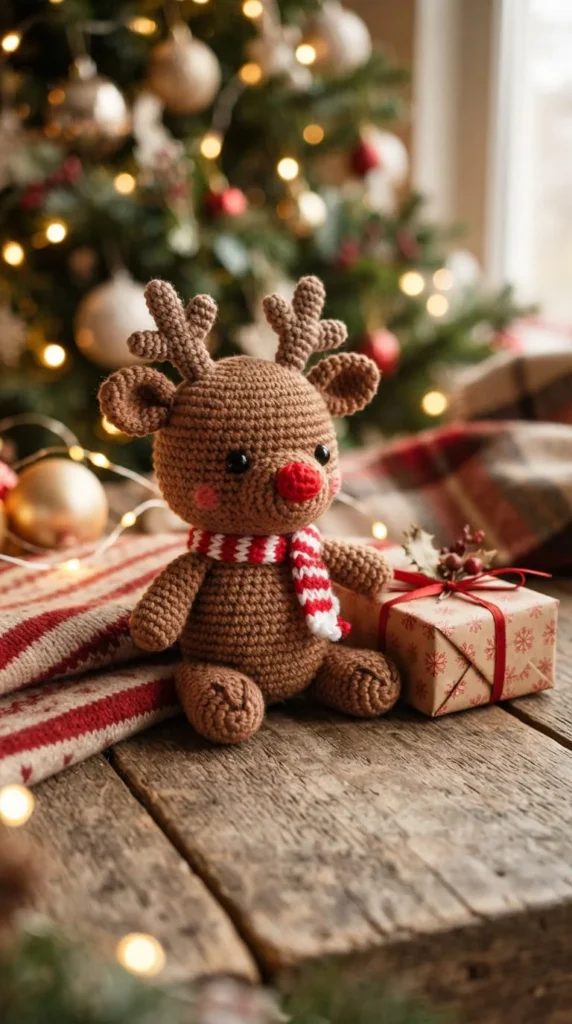
A holiday reindeer takes a basic four-legged animal base and adds small branching antlers and a bright red nose for instant seasonal charm. The antlers are worked as thin chained branches, stiffened lightly with a bit of wire if you want them to hold their shape. Budget tip: brown yarn is affordable year-round, and you only need a small amount of red for the nose, so this project is cheap to make even during the busy holiday season. Keep the legs short and the body round for a chibi-style reindeer that reads as festive without needing elaborate detailing. This pattern works well as a stocking stuffer or a small ornament if you add a hanging loop at the top. Make a few in advance each fall so you have ready-to-give holiday gifts without a last-minute scramble.
20. Fantasy Unicorn
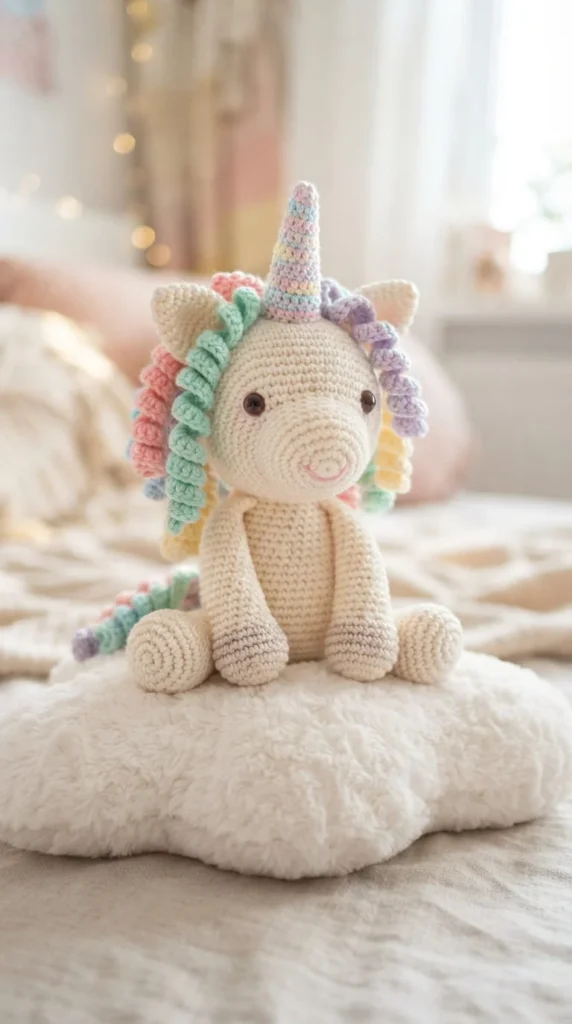
The fantasy unicorn remains one of the most requested amigurumi gifts for kids, thanks to its colorful mane and simple spiral horn. The body is really just a modified horse or pony shape, with the horn worked separately as a short spiral cone. Budget tip: use small leftover amounts of several yarn colors for a rainbow mane instead of buying a full skein of each shade. A basic white or cream body pairs well with any bright mane combination you choose. Long eyelashes added with a few embroidery stitches give the unicorn extra personality for very little added effort. This project is a strong choice for a child’s birthday gift since the color combinations are endless and can be personalized to their favorite palette. Once you’ve made one, resizing it larger for a bigger cuddle toy is a simple next step.
21. Koala
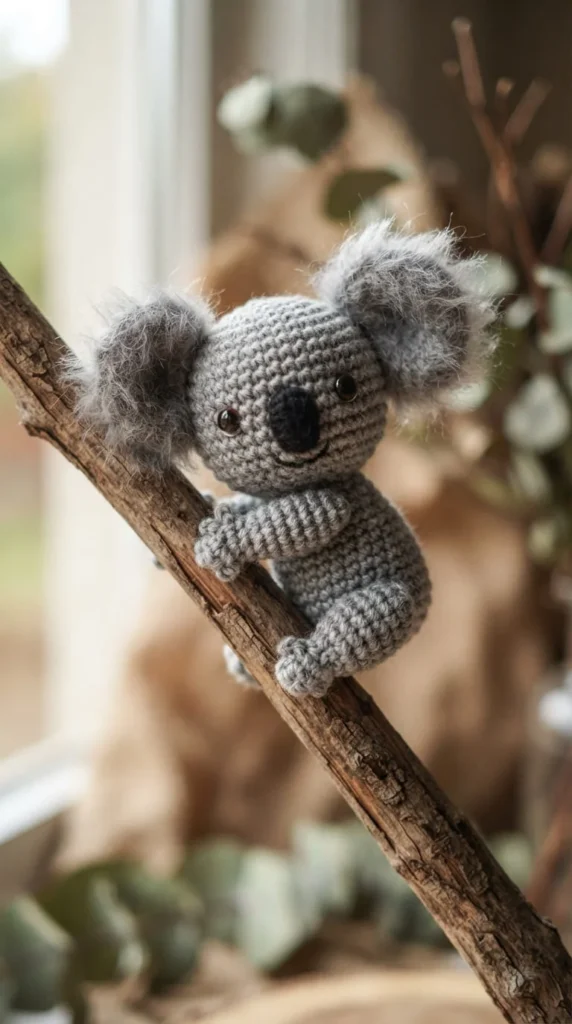
A koala stands out with its oversized round ears and a wide, flat nose, both of which are easy to shape using basic single crochet circles. Gray yarn for the body and ears, paired with a black nose, keeps the color palette simple and affordable. Budget tip: gray is a common, inexpensive yarn color, and this project doesn’t require any specialty materials, so it’s one of the more budget-friendly animals on this list. Curl the arms slightly and add small claw details with a few embroidery stitches for a clinging, tree-hugging pose. This project is a nice one for practicing oversized proportions, since the ears are noticeably larger than the head itself, which is part of what makes the koala instantly recognizable. A finished koala pairs nicely with other Australian-themed animals if you’re building a themed set.
22. Rubber Duck
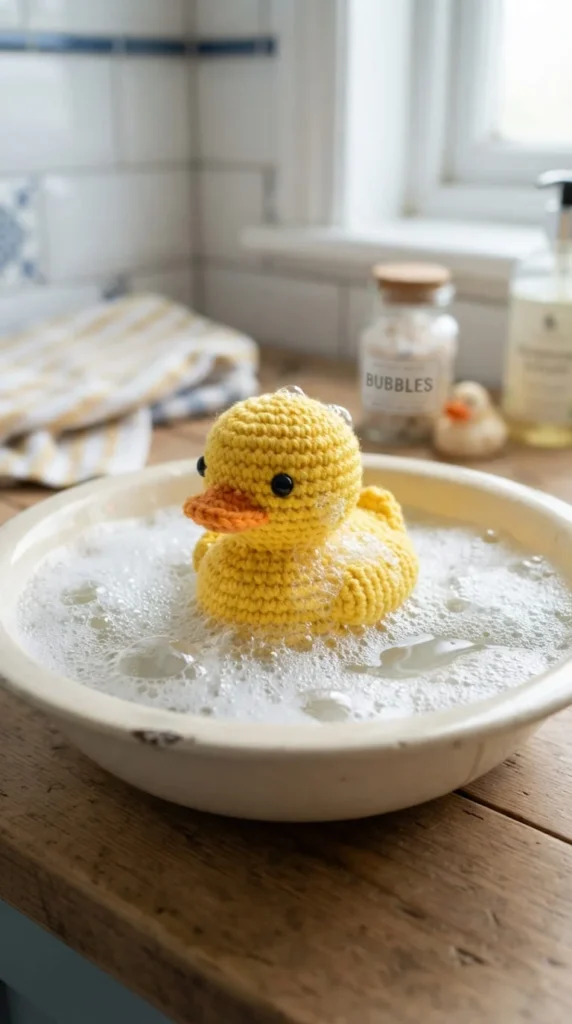
The no-sew rubber duck is one of the fastest amigurumi animals around, with the whole body, including the beak, worked in one continuous piece. There are no separate parts to sew on afterward, which makes this a favorite for last-minute gifts. Budget tip: yellow and orange are cheap, widely available yarn colors, and a single small skein makes several ducks at once. Insert the safety eyes early, before you shape the beak, since the head closes up quickly toward the end of the pattern. Because there’s no sewing step, this is a great project for beginners who want a fast, satisfying win before tackling something with more pieces. Ducks also make cute bath-time-themed decor, though the yarn itself should stay away from actual water. Keep a few finished ahead of time as ready-to-go baby shower gifts.
23. Farmyard Chicken
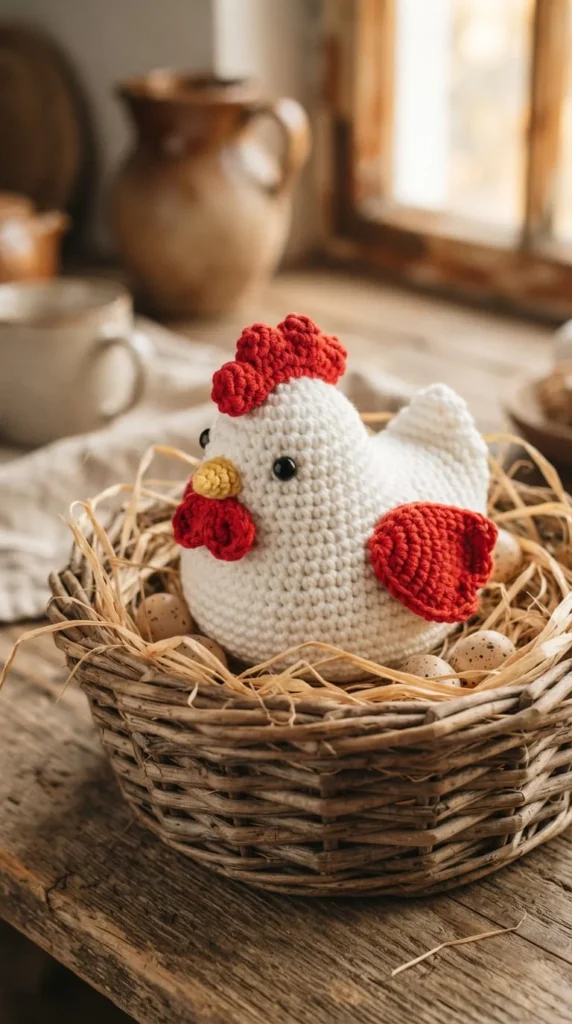
A farmyard chicken is a slightly more detailed cousin of the baby chick, with a red comb, small wings, and a fuller round body. The comb is worked as a simple ruffled strip attached along the top of the head for a bit of texture. Budget tip: white yarn is inexpensive and widely available, and you only need small amounts of red and orange for the comb and beak, keeping the overall cost low. Keep the wings flat and simple, attaching them just below the neck for a classic hen shape. This project is a great next step once you’ve mastered the basic chick, since it introduces a couple of small additional pieces without becoming overwhelming. A finished chicken pairs beautifully with other farm animals for a coordinated gift set, and it’s a popular seller at craft fairs thanks to its cheerful, recognizable shape.
24. Baby Dragon
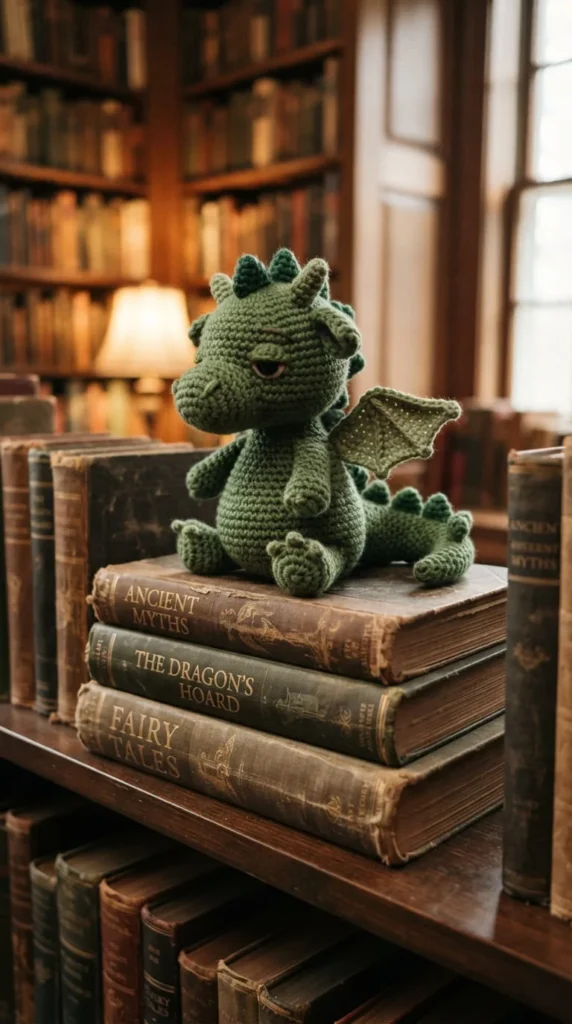
A baby dragon gives you a chance to combine several small techniques into one animal: simple wings, soft back spikes, and a curled tail. The core body still relies on basic single crochet rounds, so it’s more approachable than it looks. Budget tip: use a single skein of green, purple, or blue yarn for the body, then small contrasting scraps for the belly and spikes so you don’t need to buy any extra materials. Attach the wings as flat triangle shapes rather than anything with complicated shaping. Small yarn or felt spikes along the back add character without much added effort. This project works well for older kids or teens who’ve outgrown basic animal toys but still love something soft and handmade. Once you’re confident with the wing and spike technique here, it’s easy to adapt into other fantasy creatures if you want to keep exploring the style.
Conclusion
Amigurumi animals prove that a handful of simple techniques, a magic ring, single crochet rounds, and an invisible decrease, can turn into an entire menagerie of soft, handmade creatures. Start with a fast win like the mini frog keychain or the no-sew rubber duck, then work your way toward more detailed projects like the baby elephant or fantasy unicorn as your confidence grows. Keep a small stash of safety eyes, stuffing, and leftover yarn on hand, and you’ll always have what you need to start your next animal. Pick one project from this list, grab your hook, and start stitching your own crochet zoo today.