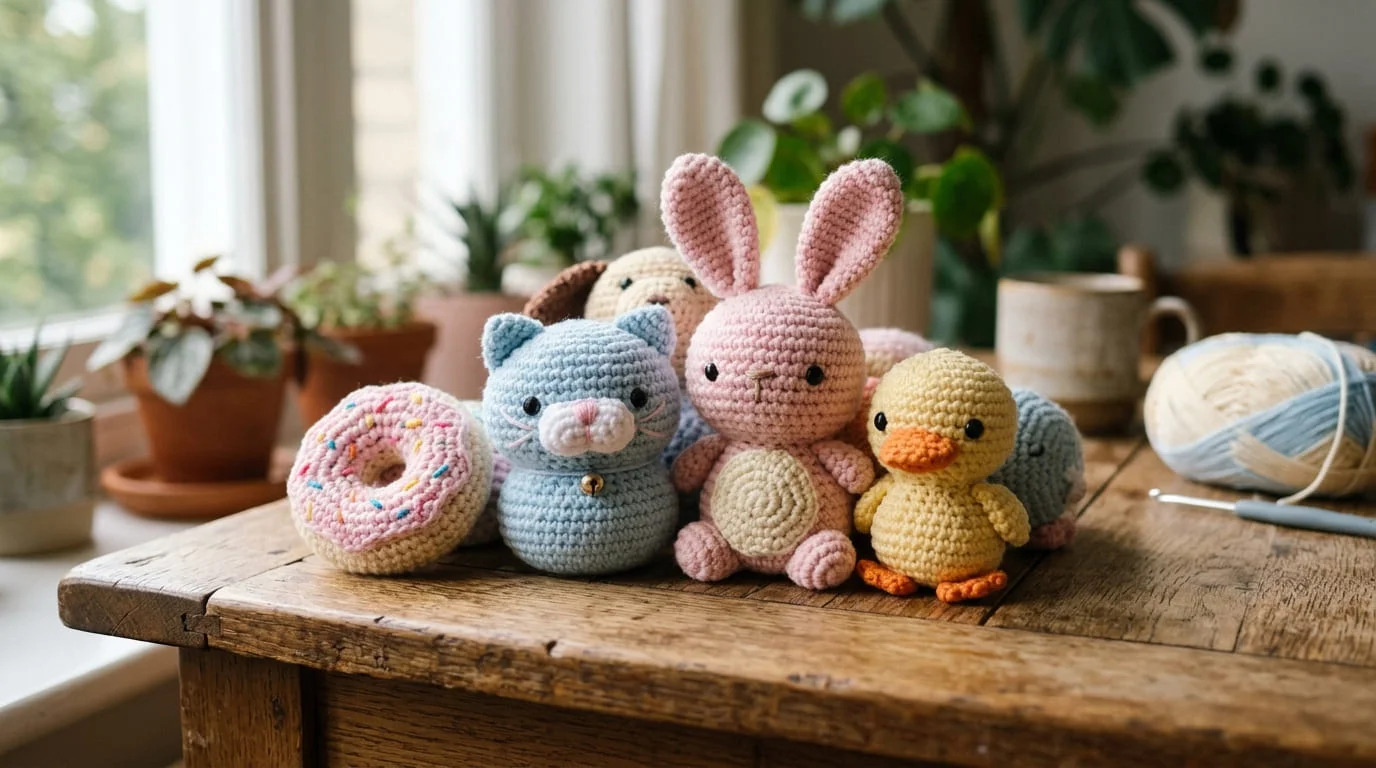
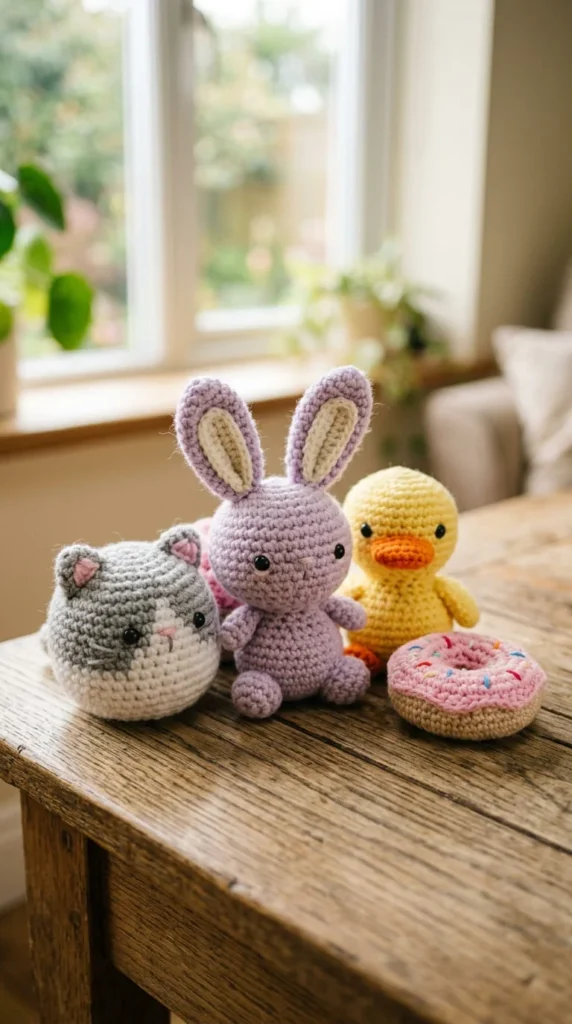
If you’ve ever scrolled past a tiny crochet bunny or a round-eyed axolotl and thought “I want to make that,” amigurumi is where you start. It’s the craft of crocheting small stuffed toys, and it’s one of the most forgiving ways to learn to crochet because most projects use basic stitches, a handful of yarn, and no pattern-reading marathon. This list rounds up 25 beginner-friendly ideas, from no-sew animals you can finish in an evening to food-shaped plushies, keychains, and seasonal gifts. Each one includes a practical tip on yarn, sewing, or time so you can pick a project that fits your skill level and your budget, then actually finish it instead of letting it sit half-done in a project bag.
1. Start With a Round Amigurumi Cat
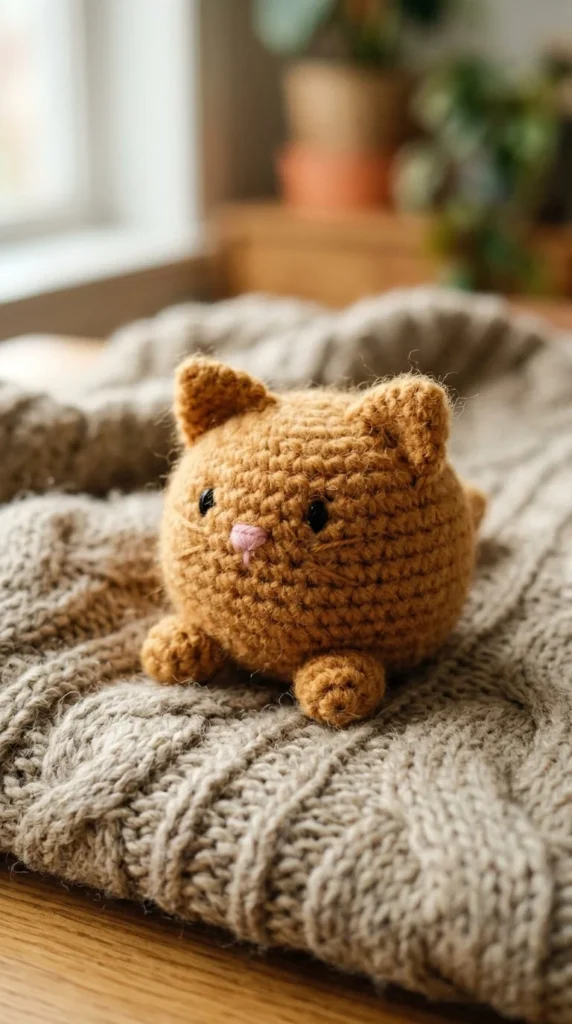
A round cat is the classic first amigurumi project. The body is one simple ball shape, so you’ll practice the magic ring, single crochet, and basic increases without worrying about arms or legs. Ears are two tiny triangles sewn on at the end, which keeps assembly light. Budget tip: use worsted-weight yarn from your stash rather than buying a specialty amigurumi yarn, since any smooth, medium-weight yarn works fine for a first try. Most cats take two to three hours and use less than one skein. Choose safety eyes or embroider a simple face if the toy is for a child under three. Once you finish one cat, you’ll understand the core loop of every amigurumi pattern: round, increase, work even, decrease, stuff, close. That rhythm is the real skill you’re building here, and it carries into every other project on this list.
2. Try a No-Sew Turtle
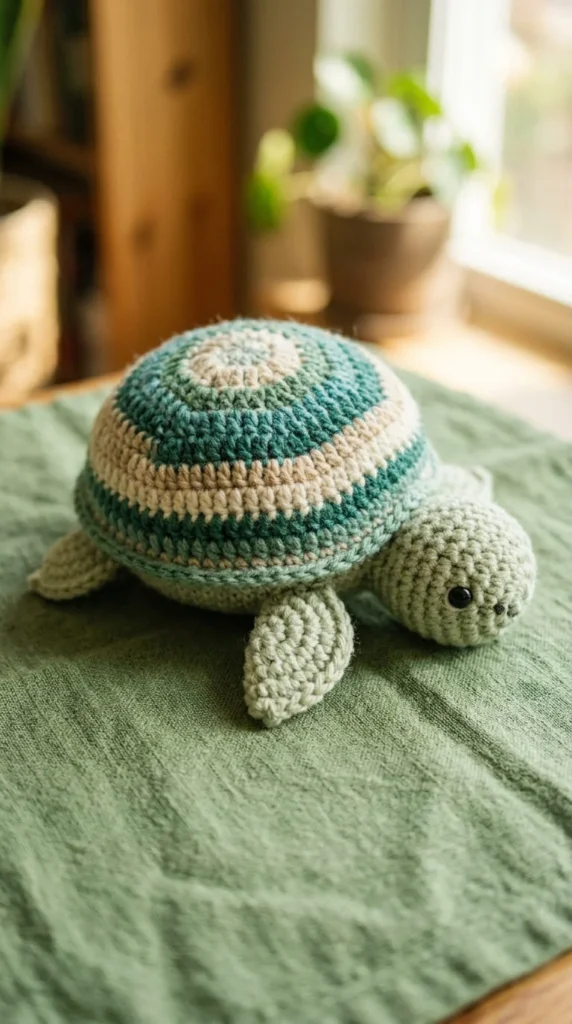
A no-sew turtle is a great second project because it removes the most frustrating beginner step: attaching limbs. Instead, the legs and head are crocheted directly onto the shell as you go, so there’s little to no sewing once you finish the last round. Budget tip: use two contrasting yarn colors for the shell and body, since amigurumi projects rarely need more than a partial skein of each. This project usually takes about two hours and teaches you how to crochet in continuous rounds without joining, which is the standard amigurumi technique. It’s a good confidence builder because “no-sew” doesn’t mean zero finishing, it just means far less of it. You’ll still weave in ends and add a simple face, but you’ll skip the fiddly process of pinning and stitching separate pieces together, which is often where new crocheters get discouraged.
3. Crochet a Pocket Duck
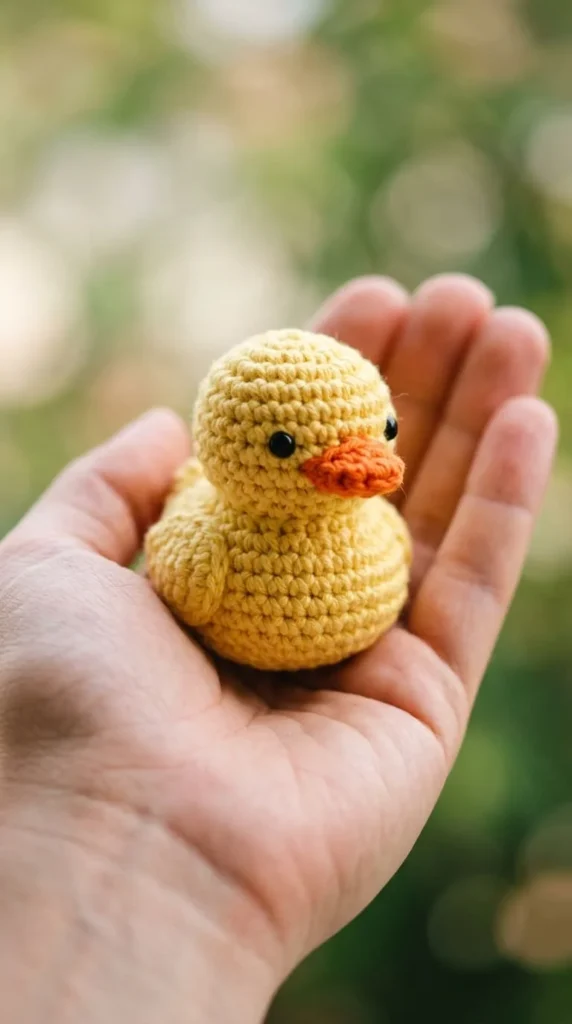
A pocket duck is a miniature project, small enough to fit in your palm or an actual pocket. Because it’s tiny, it uses very little yarn, which makes it perfect for testing a new color or using up scraps. Most pocket ducks take under an hour once you’re comfortable with basic stitches. Budget tip: this is a great project for leftover sock or fingering-weight yarn, since smaller yarn naturally produces a smaller finished toy. Pocket-sized amigurumi are popular right now because they’re easy to gift, easy to carry, and low-pressure to attempt. If your first duck comes out a little lopsided, it barely matters at this scale. Try making three or four in an afternoon once you’ve got the shape down, since repetition at this size is quick and genuinely satisfying rather than tedious.
4. Make a Chunky Yarn Bunny
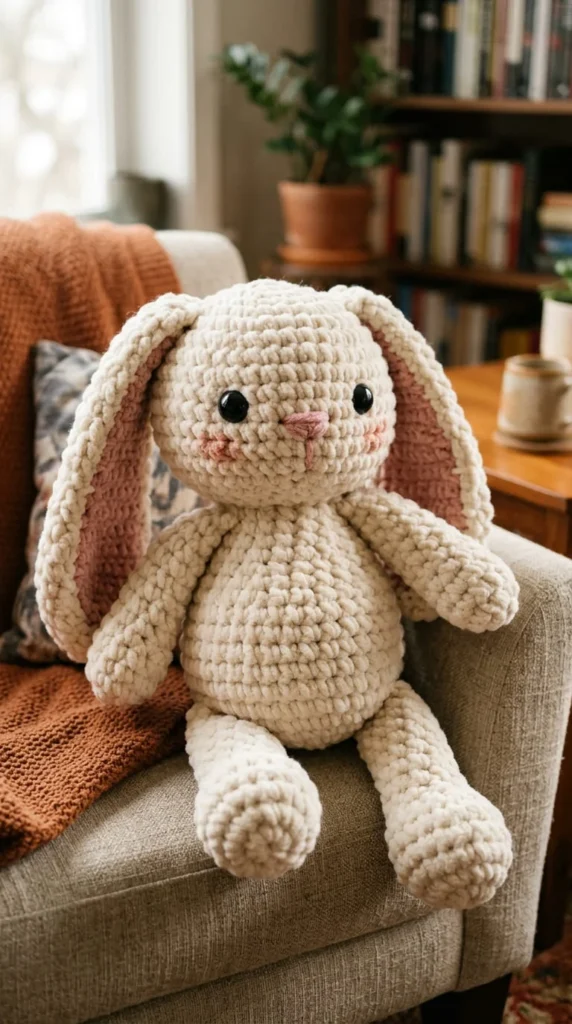
A chunky yarn bunny flips the usual amigurumi approach by using thick yarn and a large hook instead of fine yarn and small stitches. This means fewer stitches per round, which makes the whole project faster and easier to see clearly while you’re learning. Budget tip: chunky yarn covers more area per skein than it looks like it should, so one large skein often finishes an entire bunny with yarn to spare. Expect around two hours total, much faster than a same-sized project in standard yarn. This is a good option if fine detail work feels frustrating at first, since the bigger stitches are easier to count and correct. The finished bunny also has a soft, huggable quality that smaller amigurumi don’t have, making it a strong choice as a nursery or toddler-safe gift once you swap in embroidered eyes.
5. Build an Axolotl Plushie
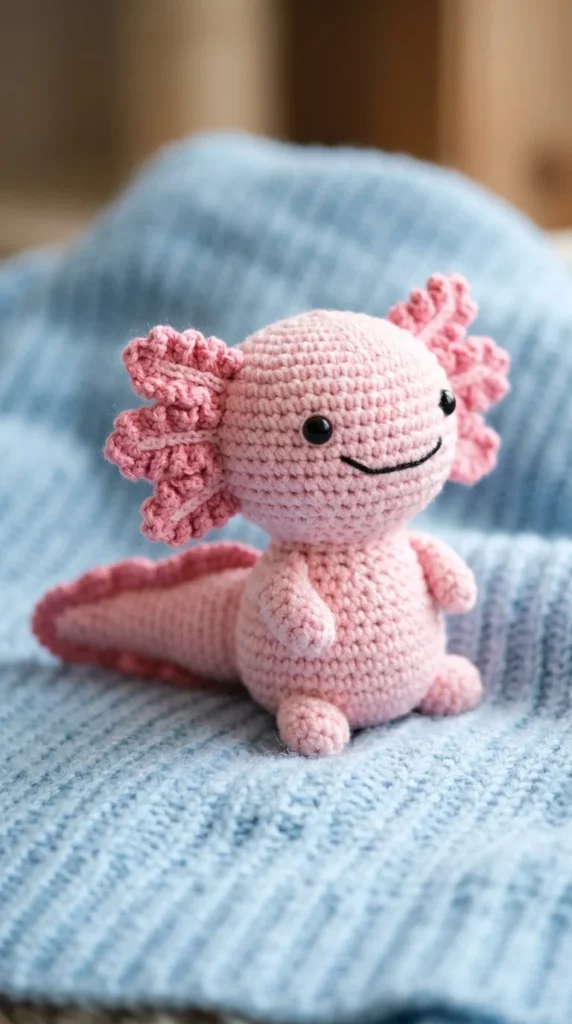
The axolotl has become one of the most requested amigurumi animals, thanks to its wide smile and pastel coloring. The body is a simple elongated shape, but the small frilly gills on each side add a fun detail that teaches you how to crochet tiny appendages. Budget tip: pink or light purple yarn is the classic axolotl color, but any pastel works, so use whatever you already have rather than buying a specific shade. This project takes around three hours, including the gill pieces and sewing them in place. It’s a good next step after a no-sew project since it reintroduces light sewing in a low-stakes way, just two small gill pieces per side rather than full limbs. Once finished, the axolotl’s exaggerated smile makes it an easy favorite for gifting to kids or displaying on a shelf.
6. Whip Up a Donut Amigurumi
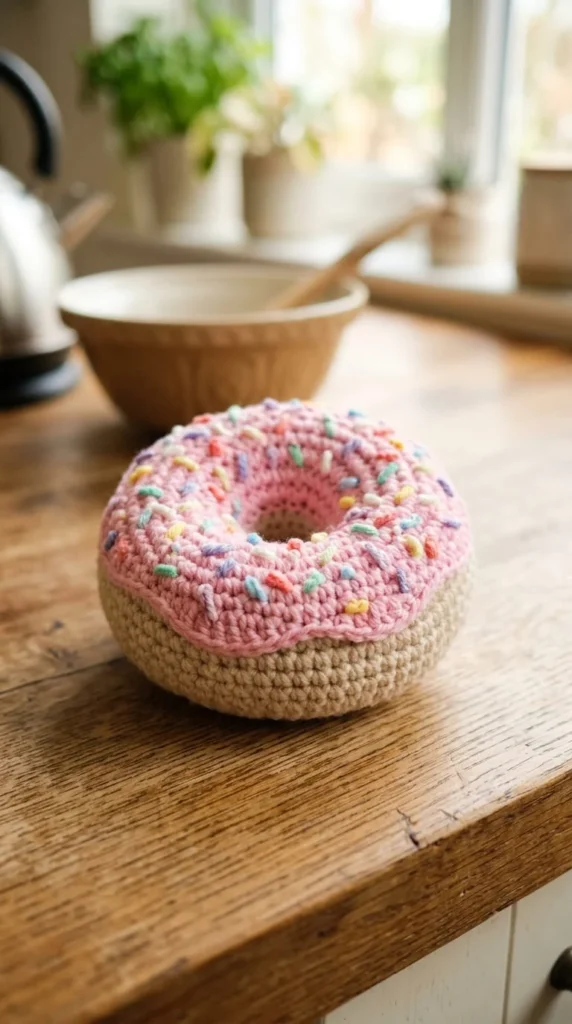
A crochet donut is a fast, cheerful project that breaks up an all-animal collection. The base ring shape is simple, and the “frosting” top is a flat contrasting piece stitched on for a two-tone look. Small stitches or French knots in bright colors work as sprinkles. Budget tip: this project barely uses any yarn, so it’s an ideal way to use up small leftover balls in pink, brown, or white. Most donuts take under 90 minutes from start to finish. It’s also a great project for practicing flat circles and joining two pieces neatly, a skill that transfers to plenty of other food-shaped amigurumi. Because the shape is simple and forgiving, it’s a good confidence booster if a recent animal project didn’t turn out quite right. Make a few in different frosting colors for an instant matching set.
7. Crochet a Boba Tea Cup
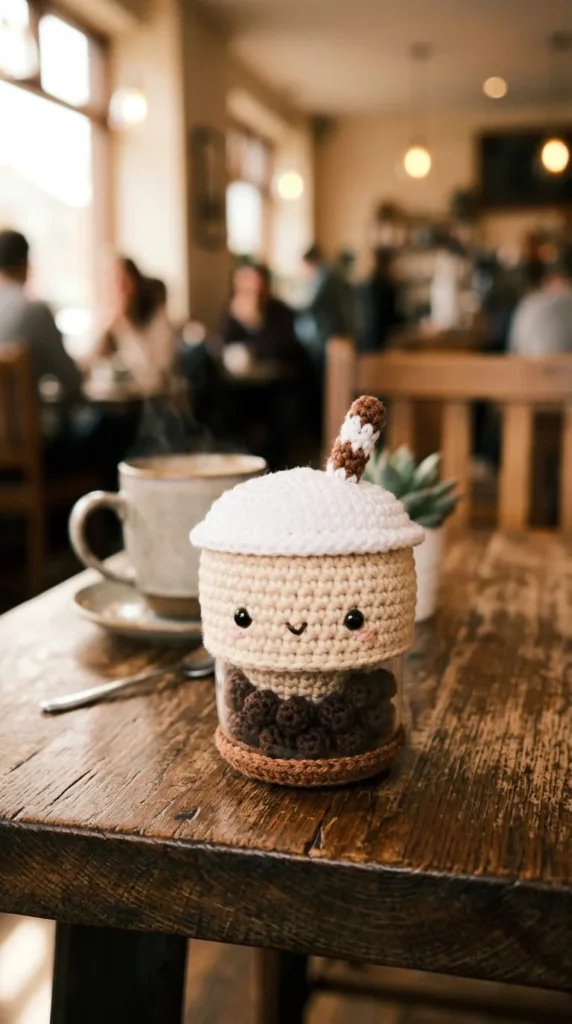
A boba tea cup is one of the trendier food-shaped amigurumi ideas, combining a simple cylinder shape with tiny round “pearls” at the bottom and a straw poking out the top. It’s a fun project because it has more visual layers than a single-shape animal, which keeps the process interesting. Budget tip: the tapioca pearls only need a few grams of dark brown yarn each, so this is another great scrap-yarn project. Total time runs around two to three hours depending on how many pearls you add. This project also introduces a plastic or crocheted straw insert, giving you a bit of practice combining materials. Once finished, it makes a fun keychain if you add a small clasp, or a desk decoration as-is. It’s proof that amigurumi doesn’t have to be an animal to be genuinely cute.
8. Make a Mini Avocado
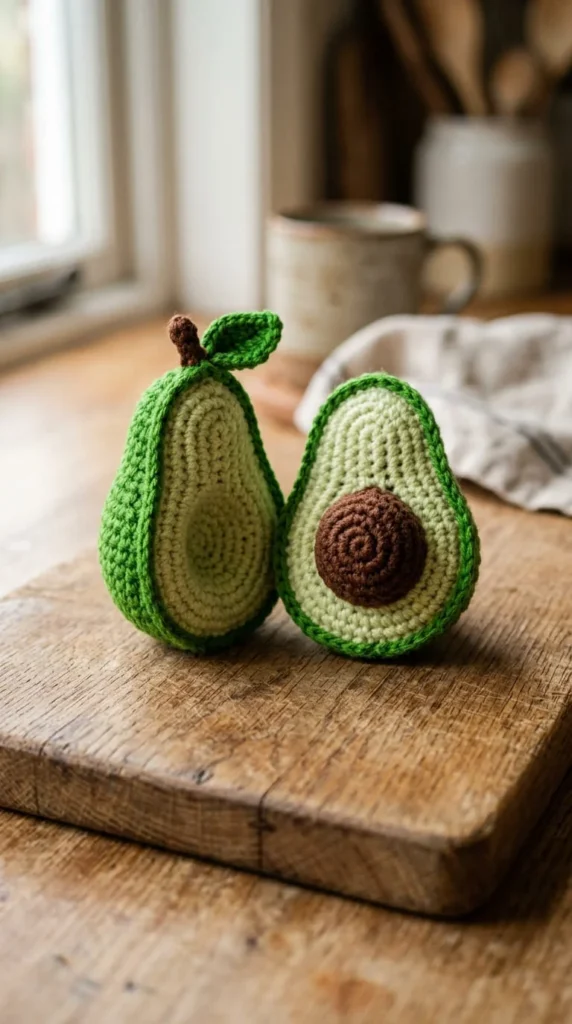
A mini avocado is a beginner-friendly food project with just three simple parts: the green flesh, the brown seed, and sometimes a darker green skin layer. It teaches you how to crochet a color change cleanly, since the transition from skin to flesh is one of the first things people notice. Budget tip: avocados use very little yarn in each color, so this is a low-cost way to practice color-blocking. The whole project usually takes about an hour. It’s also a good candidate for your first attempt at sewing two identical halves together if you want a “split open” look. Try adding a small keyring loop to the top for an easy bag charm. Because it’s small and quick, it’s a good project to repeat a few times in a row to practice consistent tension across a whole piece.
9. Crochet a Frog With No Sewing
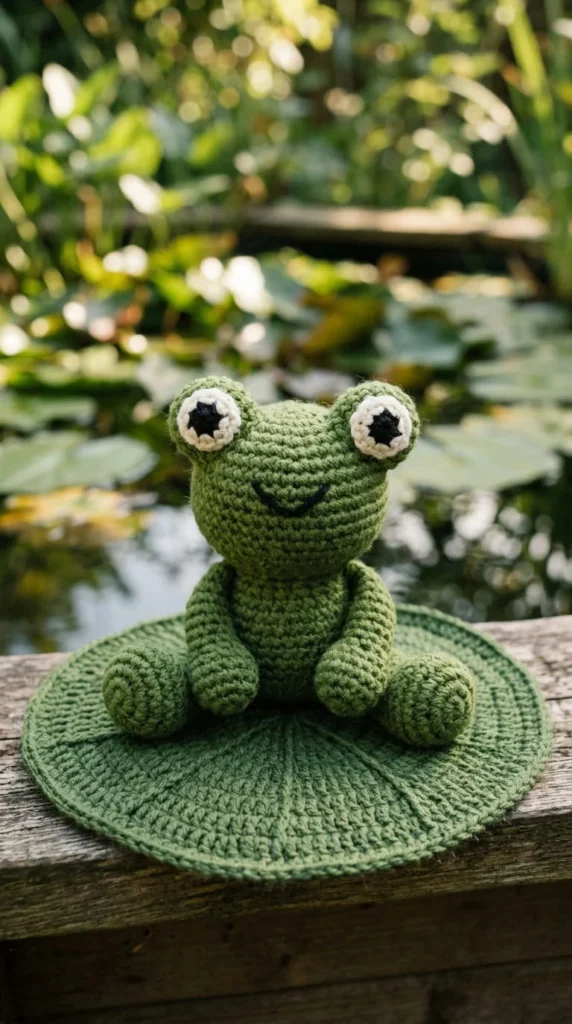
A no-sew frog is one of the most popular beginner patterns right now, and for good reason. The eyes, legs, and body are all worked in one continuous piece, so once you finish the last stitch, you’re essentially done except for stuffing and closing the bottom. Budget tip: bright green yarn is the obvious choice, but a two-tone frog using a lighter belly color adds visual interest without much extra cost, since the belly section only uses a small amount of contrasting yarn. This project takes about two to three hours and is an excellent way to practice attaching pieces as you crochet rather than sewing afterward. The bulging eyes are usually made by crocheting a small ball and attaching it directly mid-pattern. Once you’ve made one no-sew frog, you’ll recognize the technique in plenty of other no-sew animal patterns.
10. Build an Amigurumi Keychain Bee
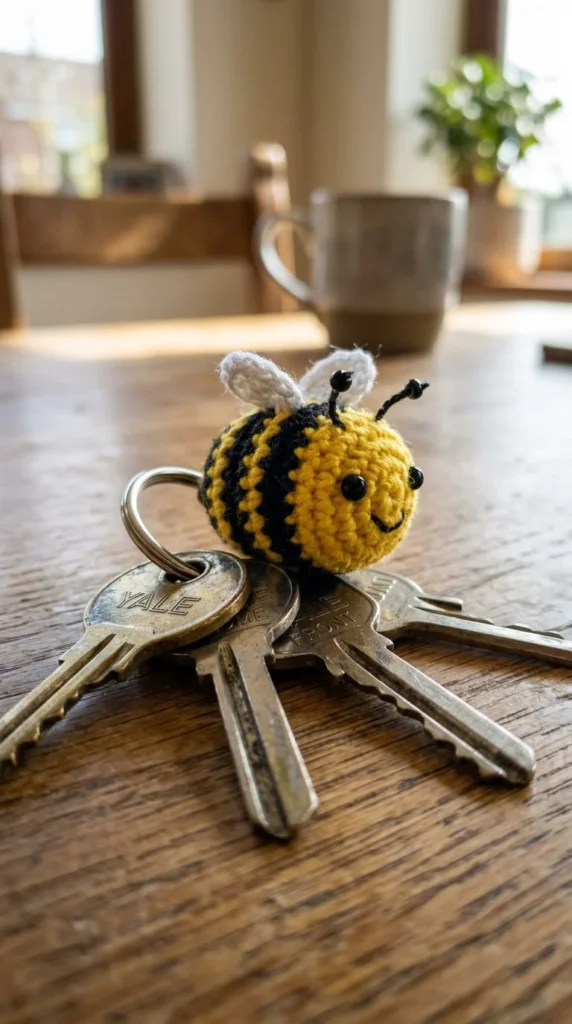
A keychain bee is a small, fast project designed to clip onto a bag or keyring rather than sit on a shelf. The striped body teaches simple color changes in a compact format, and the wings are two flat pieces stitched on at the end. Budget tip: black and yellow scrap yarn is all you need, and a metal keyring clasp costs very little at any craft store. Most bees take under an hour to crochee. This is a strong “market-friendly” project if you’re thinking about selling handmade items, since it’s quick to repeat and uses barely any material per piece. Try batching five or six in one sitting once you’re comfortable with the pattern, since repeating a small design gets noticeably faster each time. It’s also an easy, inexpensive gift for coworkers or classmates.
11. Make a Highland Cow
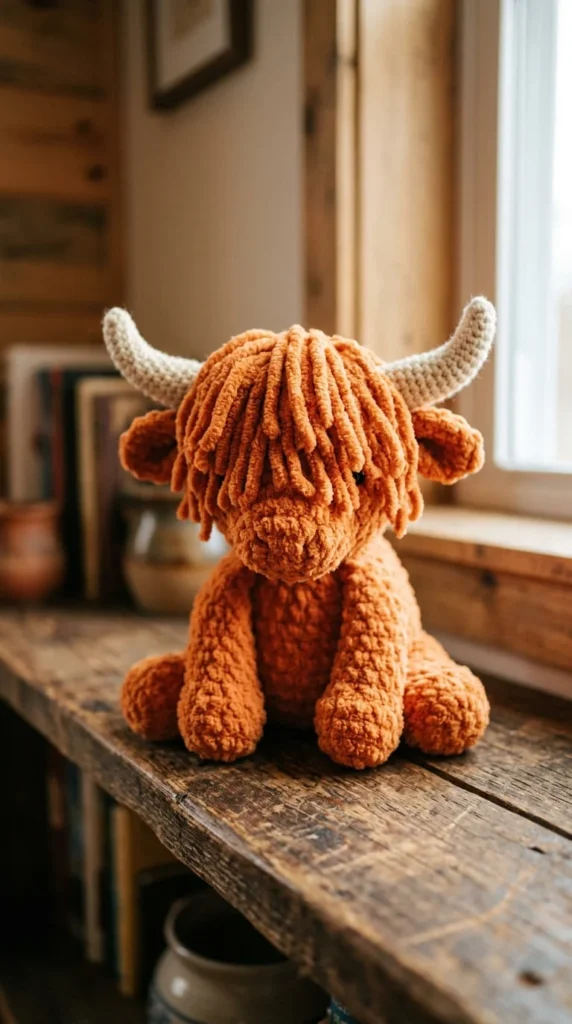
The Highland cow has become one of the most requested amigurumi animals, thanks to its shaggy bangs and gentle expression. The body uses standard amigurumi shaping, but the long fringe over the eyes is created using loop stitches or cut yarn pieces, giving you practice with a textured technique beyond basic single crochet. Budget tip: a soft orange or brown yarn works best for the classic look, and the fringe only needs a small amount of extra yarn cut into short pieces. This project takes longer than most on this list, often three to four hours, so treat it as a weekend project once you’ve built up some confidence. The small curved horns are usually made separately and sewn on last. It’s a satisfying “graduation” project after several simpler animals, since the shaggy texture makes it feel more advanced than it actually is.
12. Crochet a Christmas Bear Gift
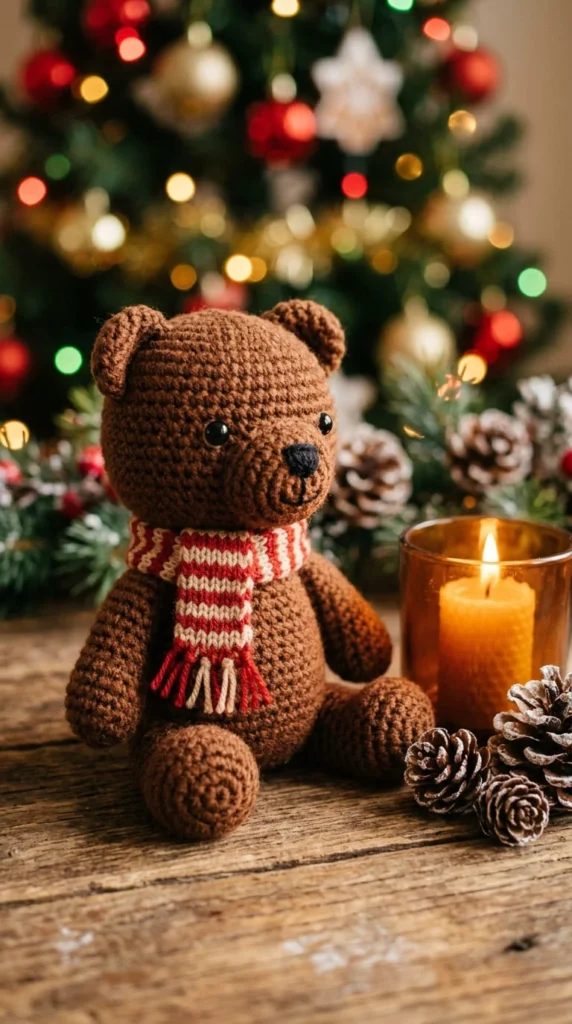
A Christmas bear is a simple round-bodied bear dressed up with a small scarf or hat for the season. The base bear shape uses the same techniques as the round cat from earlier on this list, so it’s a good project once you’ve made at least one other animal. Budget tip: a tiny scarf uses only a few grams of contrasting yarn and can be made from a simple rectangle rather than a complicated pattern. This project takes about two to three hours including the accessory. It makes a genuinely thoughtful holiday gift, especially for grandparents, teachers, or coworkers who appreciate a handmade item. Try making a small batch in November so you’re not rushing before the holidays. Swap the scarf for a small bow or hat to create variations without learning a new pattern from scratch.
13. Try a Suspicious Bird
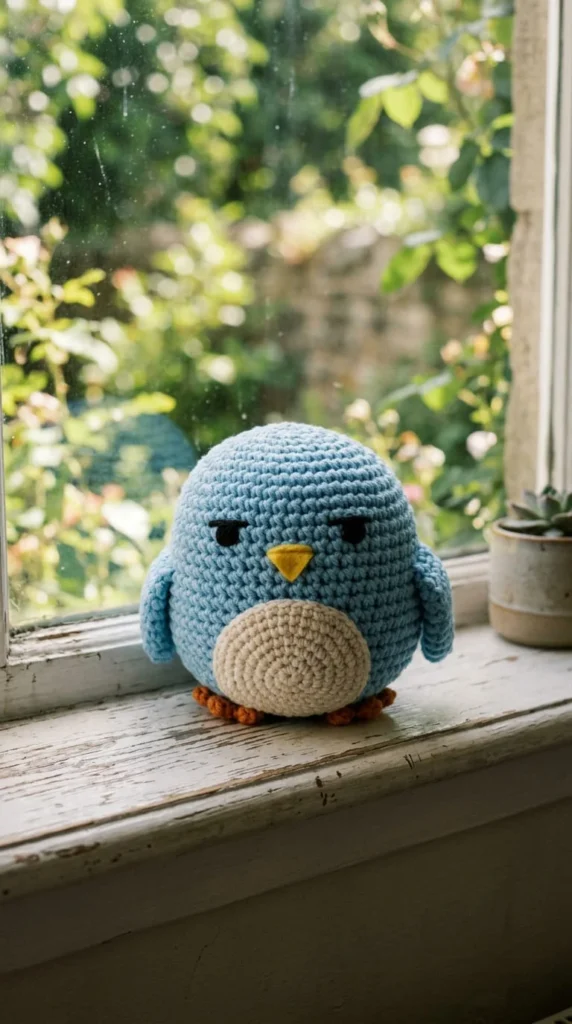
A suspicious bird, sometimes called an “unimpressed” or “judgmental” bird, is part of a growing trend of amigurumi with funny, exaggerated expressions instead of standard cute faces. The body shape is simple, usually just a round ball with small wings and a beak, but the embroidered eyebrows and flat mouth are what give it personality. Budget tip: this project uses the same amount of yarn as a basic round animal, so there’s no extra cost, just a different face. It takes about ninety minutes to two hours. This is a fun way to practice embroidery skills beyond a standard smiling face, since expression comes entirely from how you place a few simple stitches. It also makes a genuinely funny gift for anyone who appreciates a bit of humor over standard cuteness. Try a few different expressions on the same base body to see which one lands best.
14. Make a Peas in a Pod
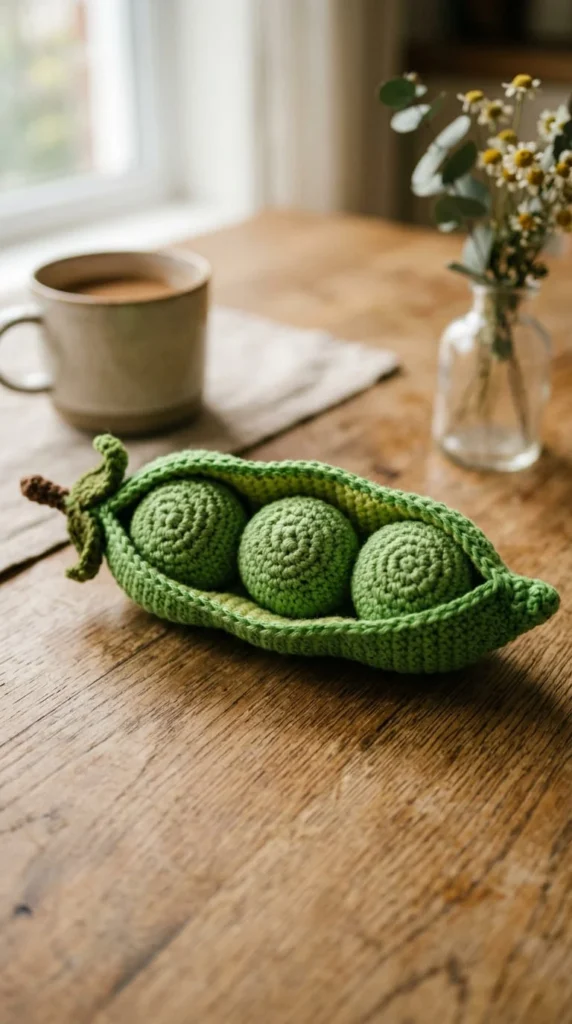
Peas in a pod is a charming project made of one curved pod shape and three or four small round peas that nestle inside. It’s a good project for practicing proportion, since the peas need to be sized correctly to actually fit inside the pod opening. Budget tip: this uses a small amount of green yarn in two shades, light for the peas and darker for the pod, so it’s another good scrap-yarn option. The whole project takes about ninety minutes. It’s a sweet gift for a new sibling set, since you can make three peas to represent three children, or gift the pod as a “you and me” set for a couple. Try adding a small face to each pea for extra charm. Because the pieces are separate rather than sewn together, it also works well as a soft sensory toy for younger kids to open and close.
15. Crochet a Screaming Opossum
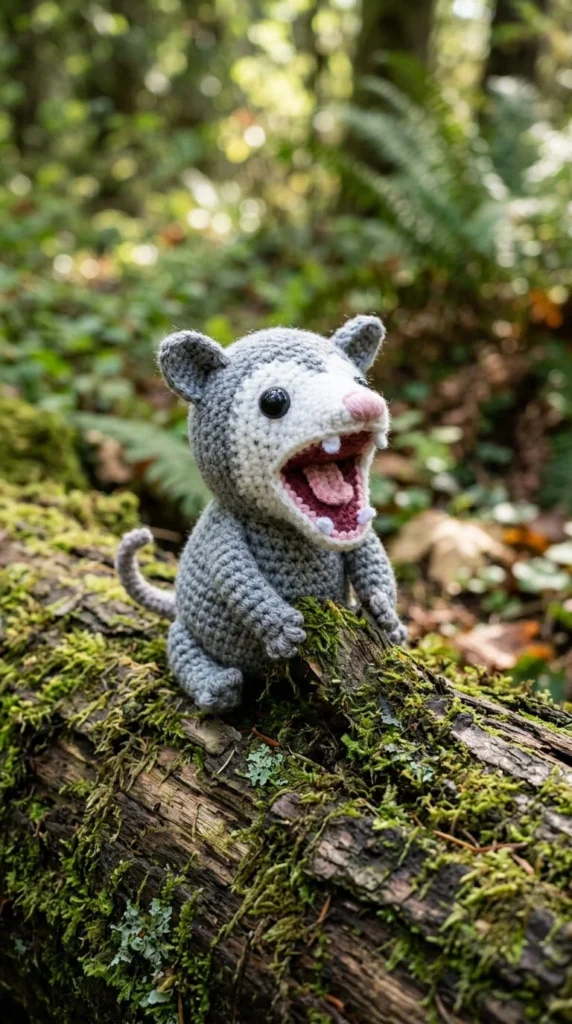
A screaming opossum is one of the internet’s favorite “oddly specific” amigurumi trends, and it’s a genuinely fun project once you’re past total beginner status. The body uses standard shaping, but the wide-open mouth requires a bit more careful stitch placement than a simple smiling face. Budget tip: gray or white yarn is all you need, plus a small amount of pink for the inside of the mouth. Expect around three hours for this one, since the exaggerated features take more time than a basic round animal. This project is popular precisely because it’s funny rather than traditionally cute, and it tends to get a strong reaction as a gift. Try adjusting the mouth size slightly for different intensities of “scream” once you’re comfortable with the base pattern. It’s a good example of how a single body shape can support very different personalities.
16. Build a Capybara Plushie
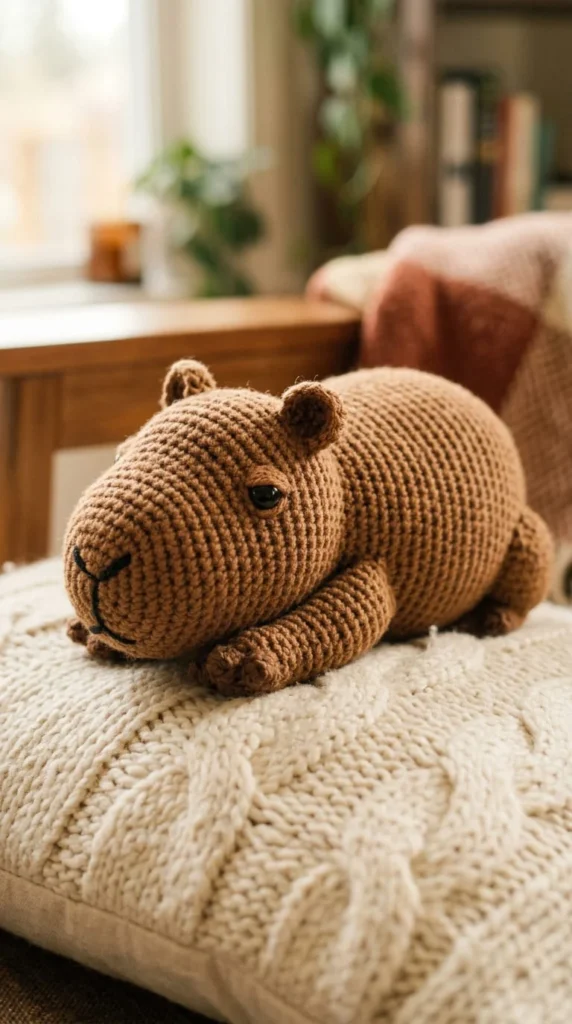
The capybara has become a favorite amigurumi subject thanks to its calm, unbothered expression and simple rounded shape. Unlike some animals, capybaras don’t need dramatic features or bright colors, just a soft brown yarn and a gently downturned or neutral face. Budget tip: since the design is simple, one medium skein usually covers the entire body with room to spare, making it a low-cost project relative to its size. Expect around two to three hours total. This is a good project if you want a calming, low-pressure make after finishing something more detailed, since there’s no fussy color-changing or intricate embroidery involved. Try adding tiny ears and a barely-there smile for the signature capybara look. Because the shape is so simple, it also adapts well to different sizes, so you can scale it up for a shelf display or down for a keychain.
17. Make a Scrap-Yarn Heart
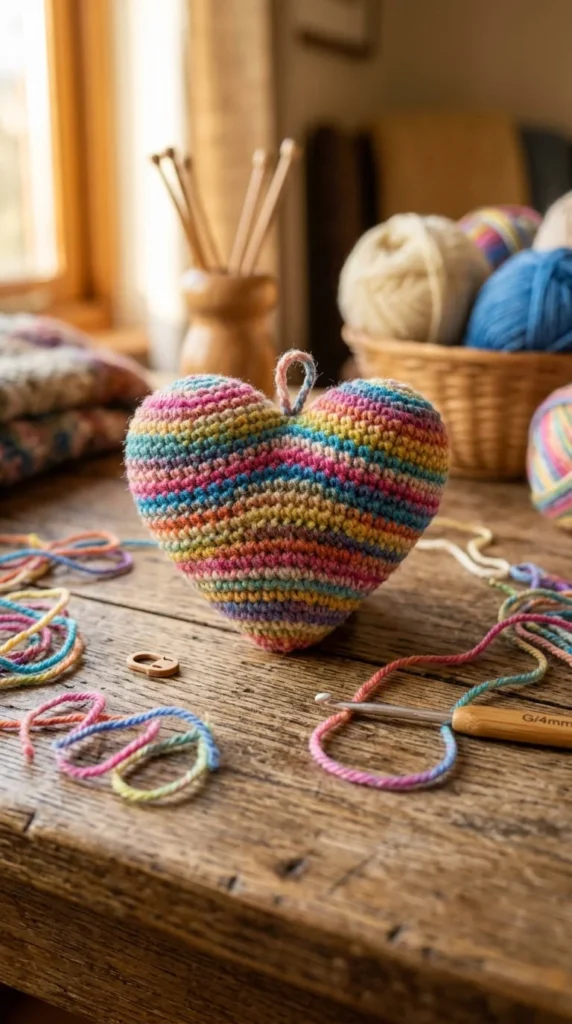
A scrap-yarn heart is designed specifically to use up small leftover balls from other projects. Any yarn weight works, since the finished size simply adjusts based on what you use, making it a genuinely “any yarn” pattern. Budget tip: this project literally costs nothing extra if you’ve made two or three other projects on this list already, since you’ll have scraps left over from each one. It takes under an hour and results in a cheerful, striped little heart. This is also a good practice piece for color changes, since you can switch yarn every few rows without worrying about matching a specific pattern. Try stringing a few finished hearts together as a garland, or attach a loop to hang one from a bag. It’s proof that amigurumi doesn’t have to start with a new skein every single time.
18. Crochet a Gingerbread Person
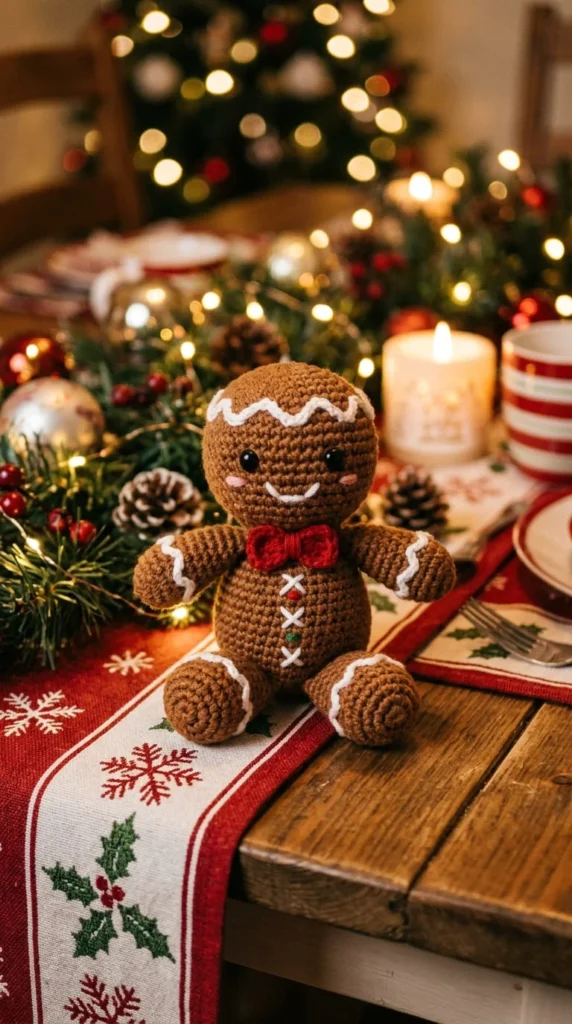
A gingerbread person is a fun seasonal project built from a flat, simple body shape rather than a round one, giving you practice with a different silhouette than most animals on this list. White “icing” details are added using a contrasting yarn color stitched directly onto the surface. Budget tip: this project uses brown yarn as the base with only small amounts of white for detailing, keeping material costs low. Expect around two hours total. It’s a great project to make in batches before the holidays, since the flat shape means less bulk stuffing and faster finishing per piece. Try adding a small loop at the top so it can hang as an ornament instead of sitting flat. This is also a good introduction to surface embroidery on amigurumi, a skill you can apply to faces and details on plenty of other projects.
19. Try a Hand Rat Meme Plushie
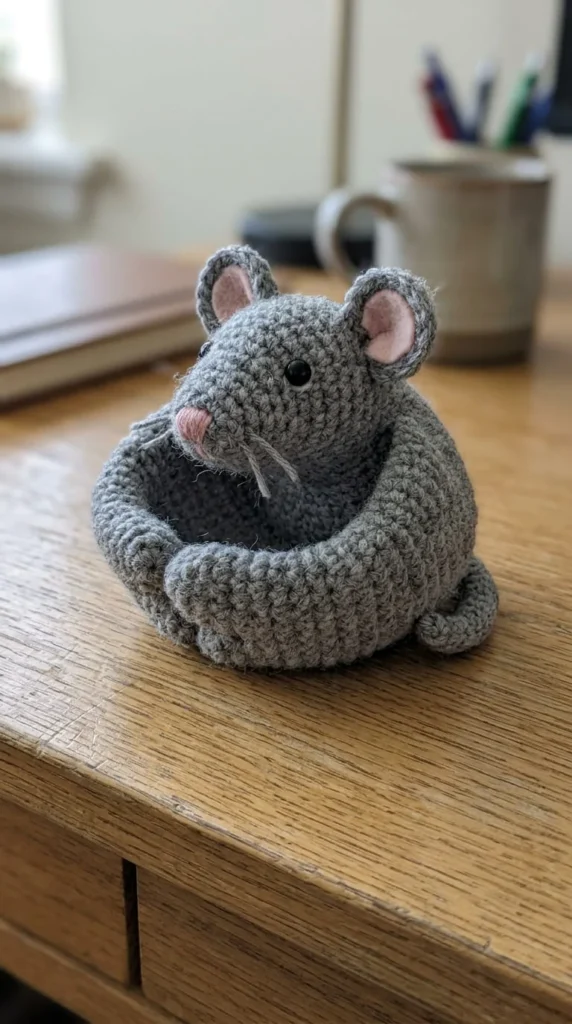
The hand rat is a quirky internet-meme-inspired amigurumi shaped to look like a small rodent peeking out from cupped hands. It’s a more advanced beginner project since the “hand” shape requires careful stitch counting to get the curved fingers looking right. Budget tip: skin-toned yarn for the hands and gray for the rat are the only colors needed, and both use a small amount of yarn relative to the finished size. This project takes around three hours. It’s a fun example of how amigurumi has expanded beyond traditional cute animals into internet humor and shareable, novelty designs. Because it’s a less common project, it also stands out if you’re building a small handmade shop or gift collection. Try it after you’ve completed at least four or five simpler projects, since the shaping takes a bit more patience than a standard round animal.
20. Make a Cupcake Amigurumi
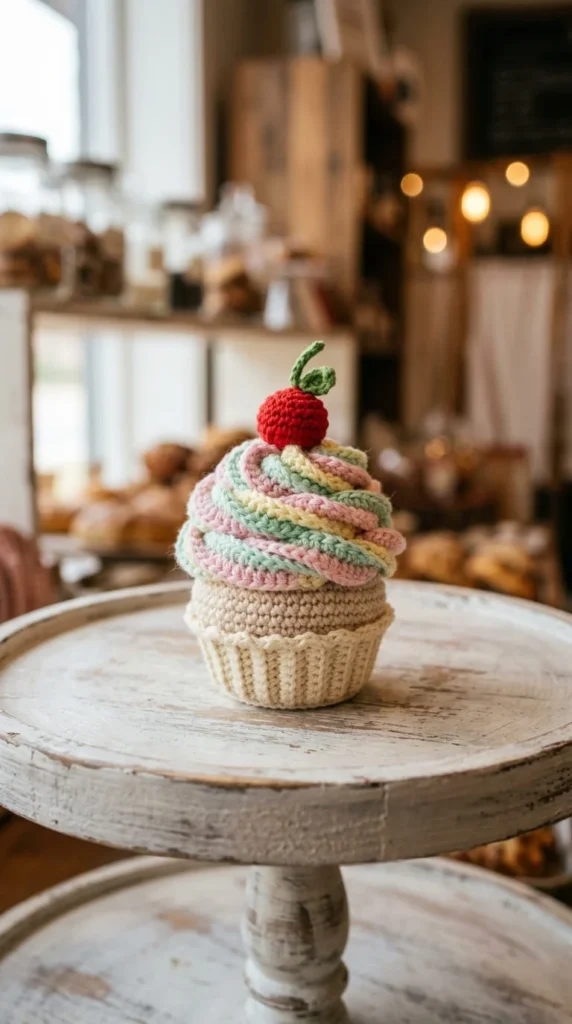
A crochet cupcake combines a simple cylindrical base with a swirled frosting top, giving you practice crocheting in a spiral shape rather than flat rounds. A small red pom-pom or crocheted ball works as the cherry on top. Budget tip: the wrapper and cake portion barely use any yarn, so this is a good project for a single small skein in your favorite color. It takes about ninety minutes total. This project pairs naturally with the donut idea from earlier, and making a small “bakery case” collection of both is a fun way to build a themed set. Try a few different frosting colors using the same base pattern to create a matching group quickly. Because the shapes are simple and repeatable, it’s also a strong option if you’re thinking about selling small handmade items at a market or online shop.
21. Crochet a Whale Plushie

A crochet whale is a friendly, rounded ocean-themed project with a wide tail fin and a small spout detail on top. The tail is usually crocheted flat and attached at the end, giving you light practice with sewing a larger, more visible piece than a simple ear or limb. Budget tip: blue or gray yarn works well, and the belly can use a lighter contrasting shade using only a small amount of extra yarn. This project takes around two to three hours. It’s a good ocean-themed alternative to the more common land-animal amigurumi, and it pairs nicely with other sea creatures if you want to build a themed nursery collection. Try adding simple embroidered eyes rather than safety eyes if the whale is meant for a young child. Once finished, its rounded shape makes it especially soft and huggable compared to more angular designs.
22. Build a Coffee Cup Amigurumi
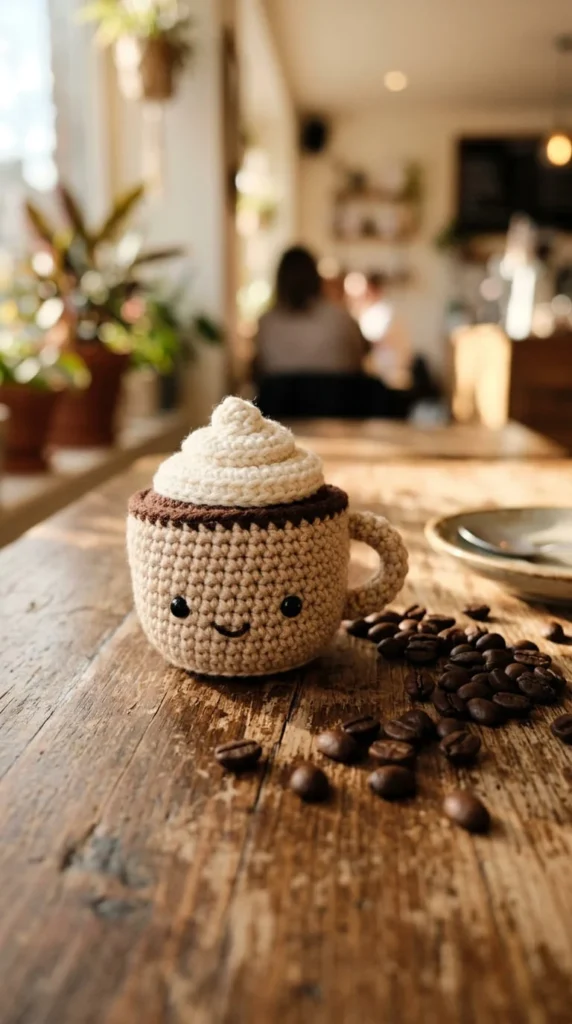
A coffee cup amigurumi is a fun desk-accessory project shaped like a to-go cup, complete with a small handle and a swirl of “cream” on top. It’s a good project for practicing attaching a handle at two points, which is a slightly different skill than sewing on a single limb or ear. Budget tip: brown and cream yarn scraps are all you need, and the whole project uses well under one skein. Expect about ninety minutes to two hours. This makes a fun gift for a coworker or coffee-loving friend, especially with a small embroidered face added to the front for extra personality. Try adding a tiny crocheted sleeve around the cup in a different color for realism. Because it’s a fairly quick, simple shape, it’s also a good project to practice consistent tension across a taller, more cylindrical form than the round animals earlier in this list.
23. Make an Emotional Support Mushroom
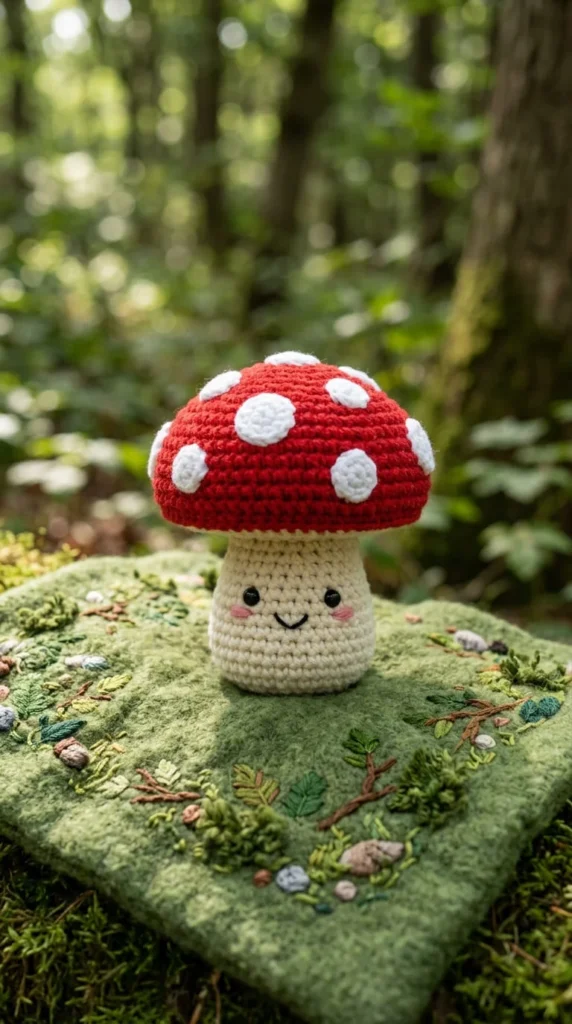
An emotional support mushroom is a small, cozy plushie designed purely for comfort rather than realism, often featuring a soft smiling face and rounded proportions. This growing category focuses on simple, huggable shapes rather than detailed characters. Budget tip: a classic red-and-white mushroom cap only needs small amounts of two colors, making it another good scrap-yarn project. It takes about two hours to complete. This is a nice project to make for yourself, not just as a gift, since the appeal is entirely about comfort and softness. Try using a slightly larger hook than the yarn label suggests for an extra-plush, squishy texture. Because the shape is simple, it’s also easy to personalize with different cap colors and spot patterns, letting you build a small mushroom collection without learning a new pattern each time.
24. Try a Dumpster Fire Plushie
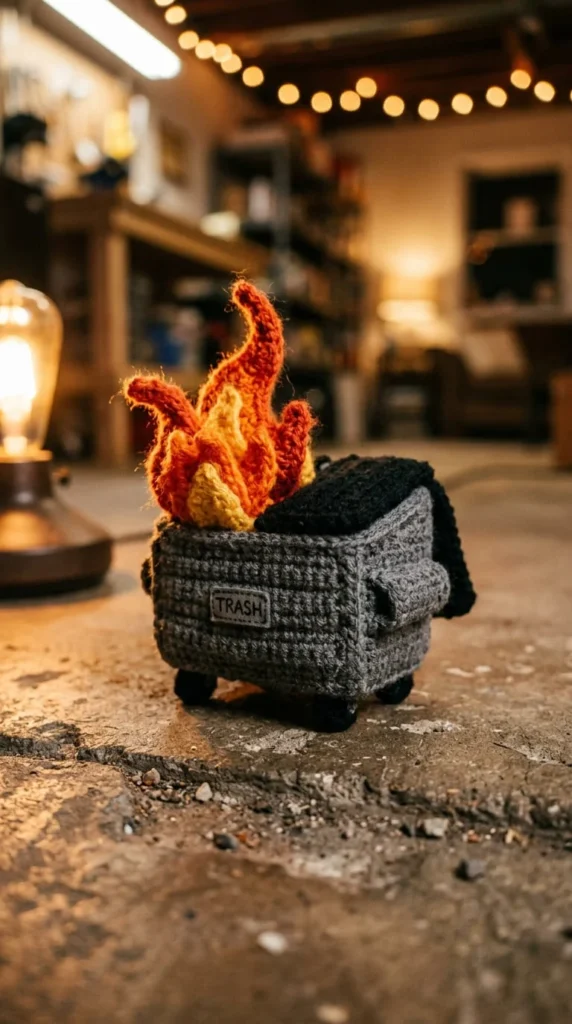
A dumpster fire plushie is a genuinely funny novelty amigurumi that turns a rough day into a soft, huggable joke gift. The dumpster body is a simple rectangular box shape, while the flames on top use bright orange, red, and yellow yarn worked into small pointed pieces. Budget tip: this project uses mostly scrap yarn in a handful of colors, since none of the individual pieces need much material. Expect around two to three hours total. It’s an easy standout in a handmade shop or gift table specifically because it’s unexpected. Try adding tiny stitched details like a crooked lid or a small face for extra personality. This project is also a good practice run for crocheting straight-sided shapes, which are less common in amigurumi than rounded bodies, giving you a useful new skill for future box- or building-shaped designs.
25. Crochet a Corgi Butt Keychain
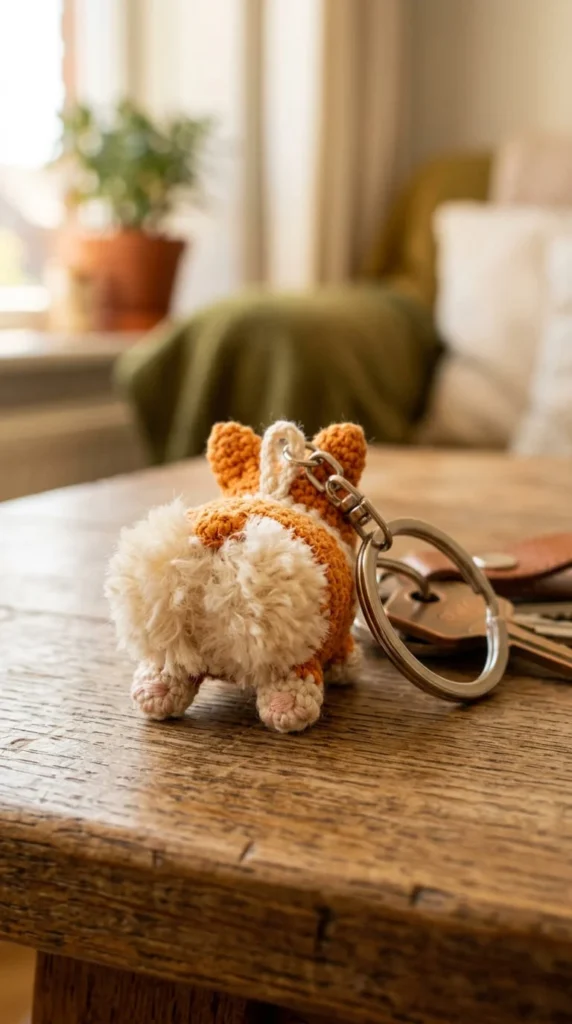
A corgi butt keychain is a playful, small-format project shaped like the back half of a corgi, tail and all. It’s a favorite because it’s instantly recognizable, genuinely funny, and small enough to finish quickly. Budget tip: tan and white yarn scraps cover the whole project, and a small keyring clasp costs very little. Most versions take under an hour once you’re comfortable with basic shaping. This is a strong project for practicing a fluffy tail texture using loop stitches, a technique that also appears in the Highland cow project earlier in this list. Because it’s small, fast, and funny, it’s a genuinely strong market item if you’re building a small handmade shop, since customers tend to buy novelty keychains on impulse. Try making a small batch in an afternoon once you’ve nailed the shaping, since repeating this pattern gets fast after the first attempt.
Conclusion
Twenty-five ideas is plenty to keep your hook busy for months, but the real value here is the range. A round cat teaches you the basics. A no-sew turtle or frog removes the most frustrating assembly step. A scrap-yarn heart or pocket duck uses up leftovers instead of wasting them. And once you’re comfortable, funny novelty pieces like the screaming opossum or dumpster fire let the craft feel playful instead of technical. Pick one project that matches how much time and yarn you have this week, keep your stitches consistent, and don’t worry if your first attempt looks a little lopsided. Every finished amigurumi, even an imperfect one, teaches you something you’ll use on the next one. Grab a hook, a small ball of yarn, and start with whichever idea made you smile first.