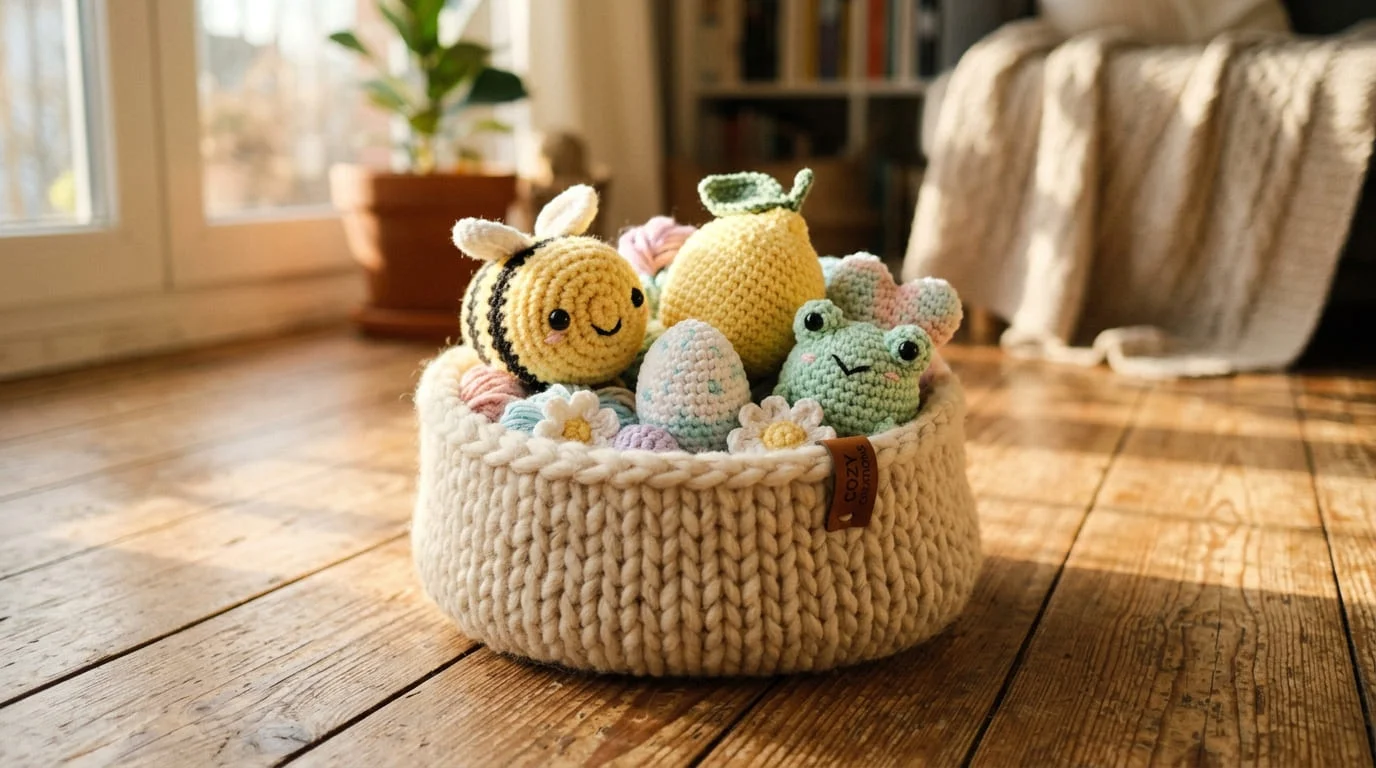
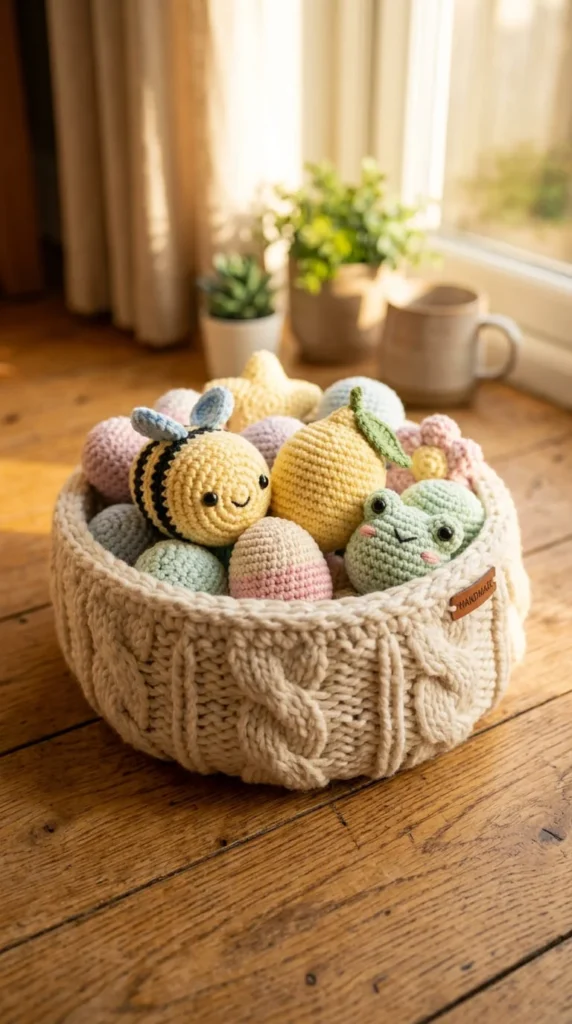
Learning amigurumi doesn’t have to start with a complicated doll or a pattern full of confusing abbreviations. The easiest way in is through simple shapes: balls, eggs, cylinders, and basic bodies that only need a handful of stitches to finish. This list rounds up 22 genuinely quick projects, starting with the most basic forms and moving through no-sew animals, food shapes, and a few playful market-ready ideas. Each one is picked for short stitch counts, minimal color changes, and light or zero sewing, so you can build real skill and finish something you’re proud of in a single sitting. Grab a hook, a small ball of yarn, and work through these at your own pace.
1. Practice With a Plain Amigurumi Ball
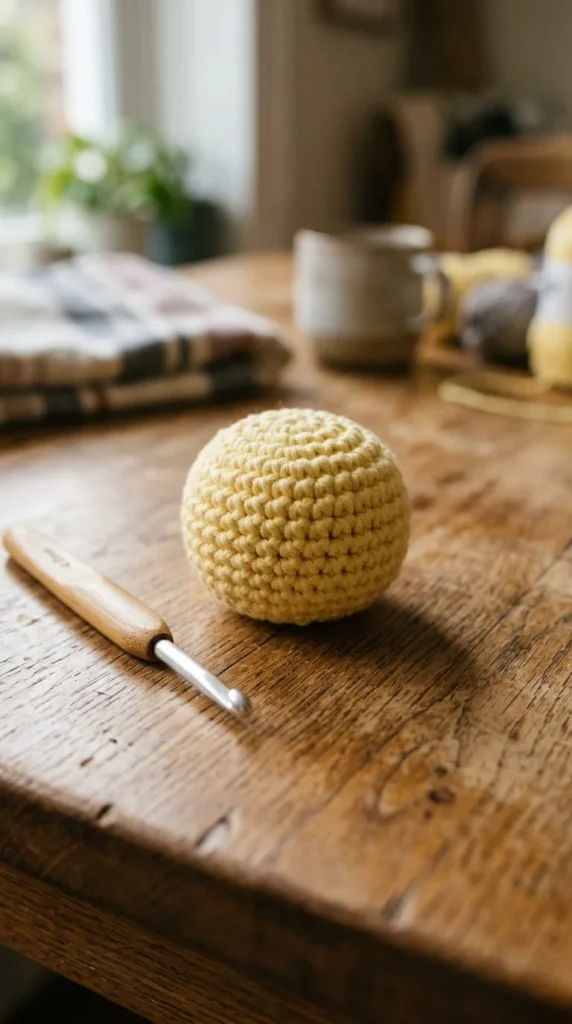
Before making any character, crochet a plain ball. It sounds basic, but it’s the shape every amigurumi animal is built from. You’ll practice the magic circle, increases, working even rounds, and decreases, all in one small project. There’s no face, no limbs, and no sewing involved. Budget tip: use any leftover worsted-weight yarn you have, since the finished ball doesn’t need to match anything else. It takes about 30 minutes and barely uses any material. Once you’ve made one, you already understand the core rhythm behind almost every pattern on this list: round out, work even, round back in, stuff, and close. Keep this first ball as a reference. Compare it to your next project and you’ll notice your tension getting more even already. It’s a small, unglamorous step, but it’s the one that makes everything after it easier.
2. Shape a Simple Lemon
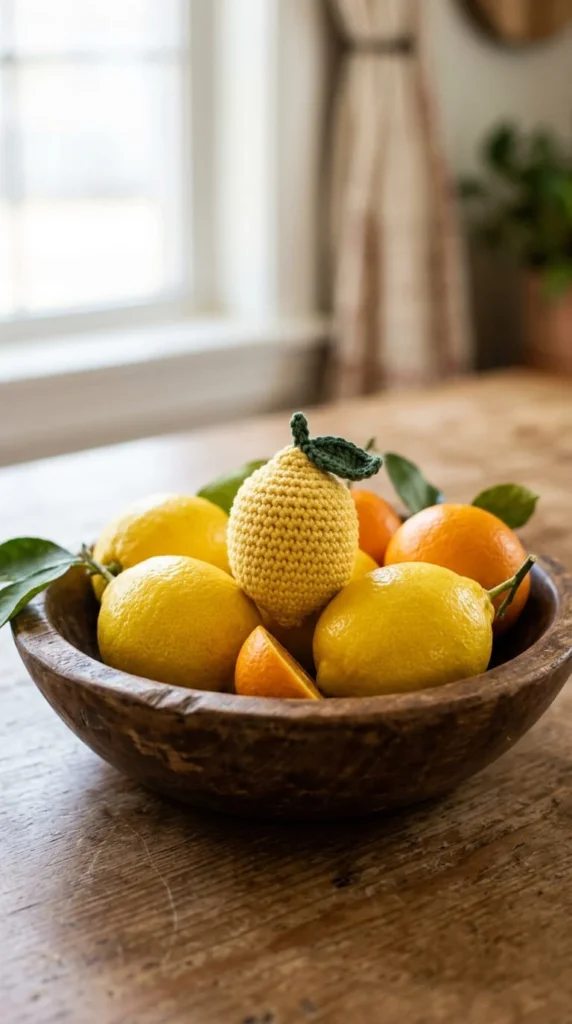
A crochet lemon takes the plain ball idea and adds one small detail: a tiny green stem crocheted or sewn on top. It’s a great second project because you’ll repeat the same shaping skills from before, but this time with a slight oval shape instead of a perfect sphere. Budget tip: yellow yarn scraps work perfectly, and the stem uses only a few stitches of green, so this project costs almost nothing extra. It takes under an hour start to finish. This is also a good introduction to gently shaping a sphere into an oval by adjusting how many rounds you work even before decreasing. Once you’ve made a lemon, try the same method with orange or green yarn to make a mini orange or lime. It’s proof that one basic shape can become several different quick projects with just a color swap.
3. Make a No-Sew Egg
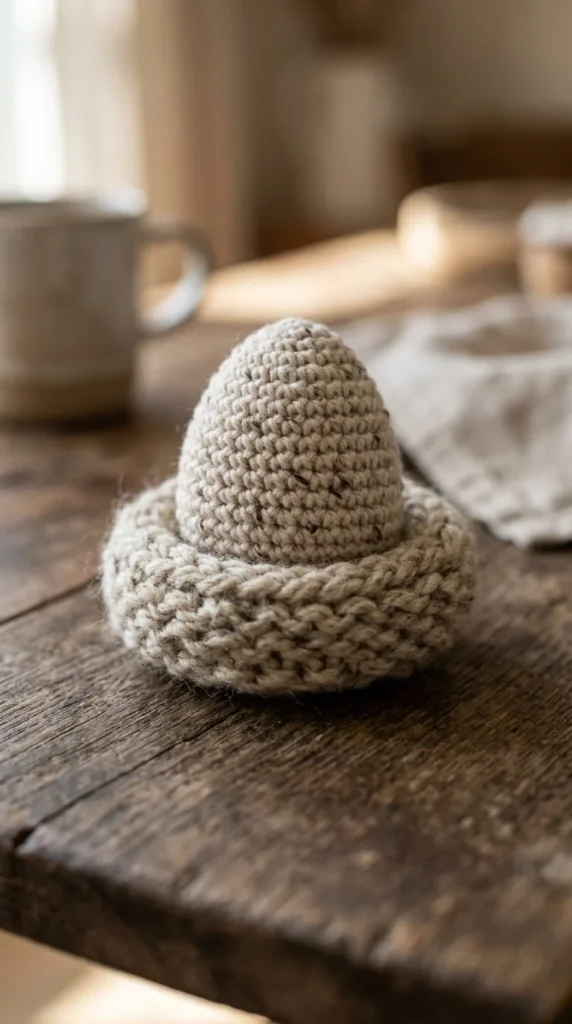
A no-sew egg is one of the fastest projects on this list. It’s a simple oval shape with no limbs, no face required, and no separate pieces to attach. You crochet in one continuous spiral, stuff it, and close the bottom. Budget tip: any single skein of yarn covers several eggs, since each one uses very little material. Most eggs take 30 to 45 minutes. This is a great confidence project if a previous attempt didn’t turn out quite right, since there’s nothing here to go wrong beyond basic shaping. Try adding small embroidered speckles in a contrasting color for a realistic look, or leave it plain for a smooth pastel egg. Because it’s so quick, it’s also a strong choice for a seasonal batch project around Easter, when a basket of six or seven finished eggs comes together in an afternoon.
4. Crochet a Basic Bee
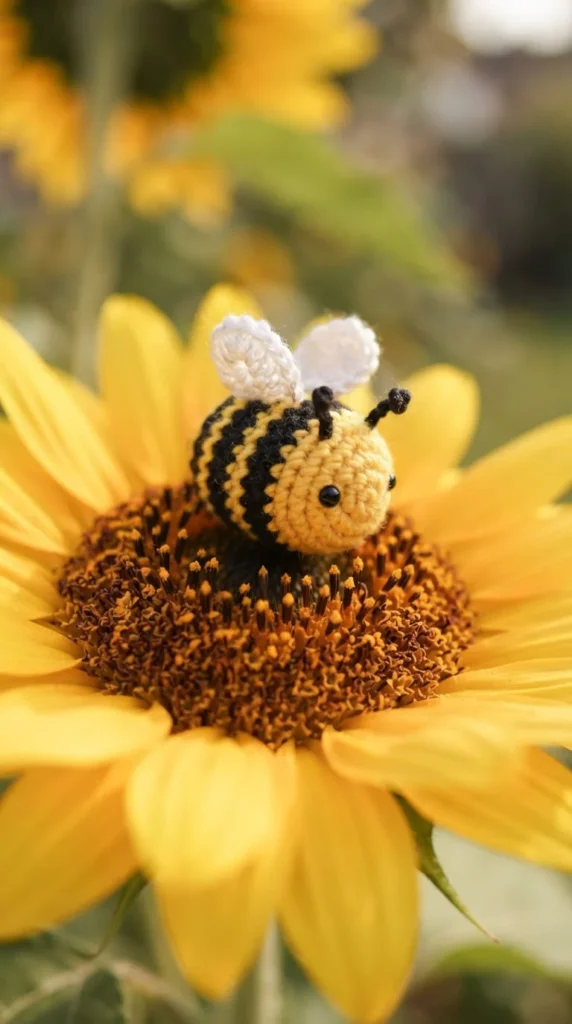
A basic bee is a round body with simple black and yellow stripes, plus two small flat wings stitched on at the end. It’s an easy way to practice color changes in a compact, forgiving format, since a slightly uneven stripe barely shows on such a small shape. Budget tip: this project uses only small amounts of two yarn colors, making it a good scrap-yarn option. Expect around 45 minutes to an hour. The wings are the only sewing required, so it sits solidly in the low-sew category. Once you’ve made one bee, the pattern repeats quickly, which makes it a strong choice if you’re thinking about a small batch for gifts or a craft table. Try adding a tiny embroidered smile for extra personality. This project is a natural bridge between plain shapes and full animal characters.
5. Try a No-Sew Frog
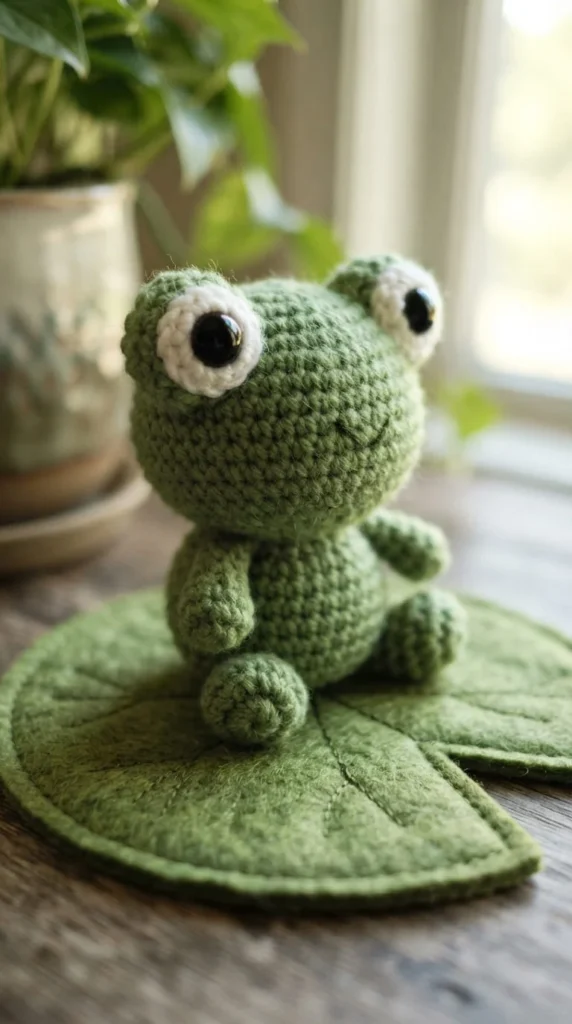
A no-sew frog is a favorite beginner pattern because the legs and eyes are worked directly into the body as you go. Once the last round is finished, there’s little left to do besides stuffing and closing the opening. Budget tip: bright green yarn is the obvious pick, but a lighter belly section only needs a small amount of contrasting yarn, so it won’t add much to your cost. This project takes about an hour to ninety minutes. It’s an excellent way to practice attaching pieces mid-pattern instead of sewing them on afterward, a technique that shows up in plenty of other easy amigurumi. Once you’ve completed one no-sew frog, you’ll recognize the same approach in no-sew turtles, starfish, and dinosaurs. It’s one of the clearest examples of how “easy” doesn’t mean boring, since the finished frog still has real personality.
6. Build a Chunky Yarn Whale
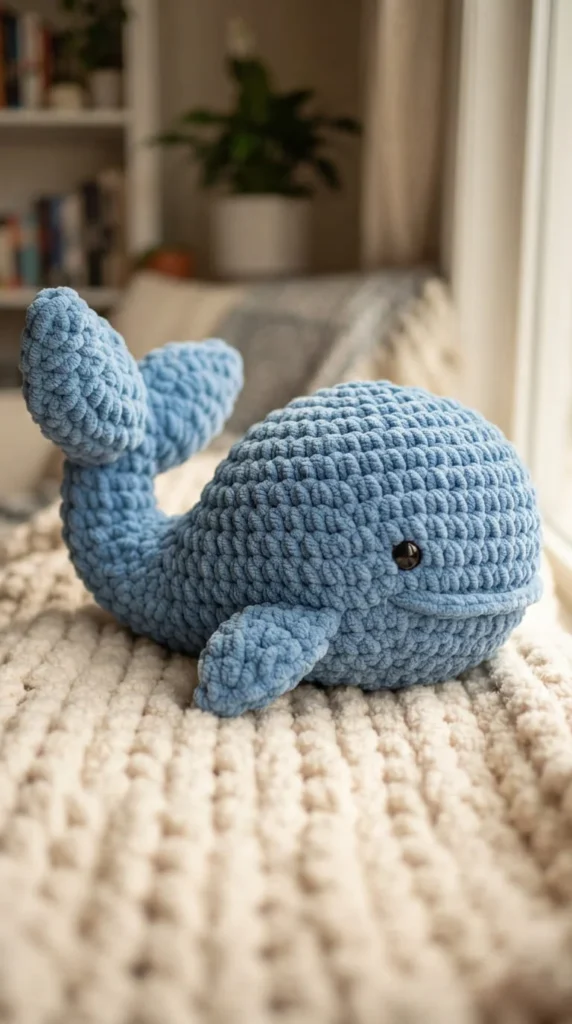
A chunky yarn whale swaps standard worsted yarn for a thicker weight and bigger hook, which means fewer stitches per round and a much faster finish. This is a great option if counting small stitches feels tricky at first, since the bigger stitches are easier to see and correct. Budget tip: one large skein of chunky yarn usually covers the entire whale with yarn to spare, so the cost per project stays low despite the bigger finished size. Expect around 60 to 90 minutes, noticeably faster than the same project in standard yarn. The small tail fin is the only piece that needs sewing, keeping this a low-sew project overall. Try light gray or soft blue for a calming, oversized nursery-ready whale. This project is also a good way to test whether chunky yarn suits your crochet style before committing to it for other larger makes.
7. Make a Pocket-Sized Cat
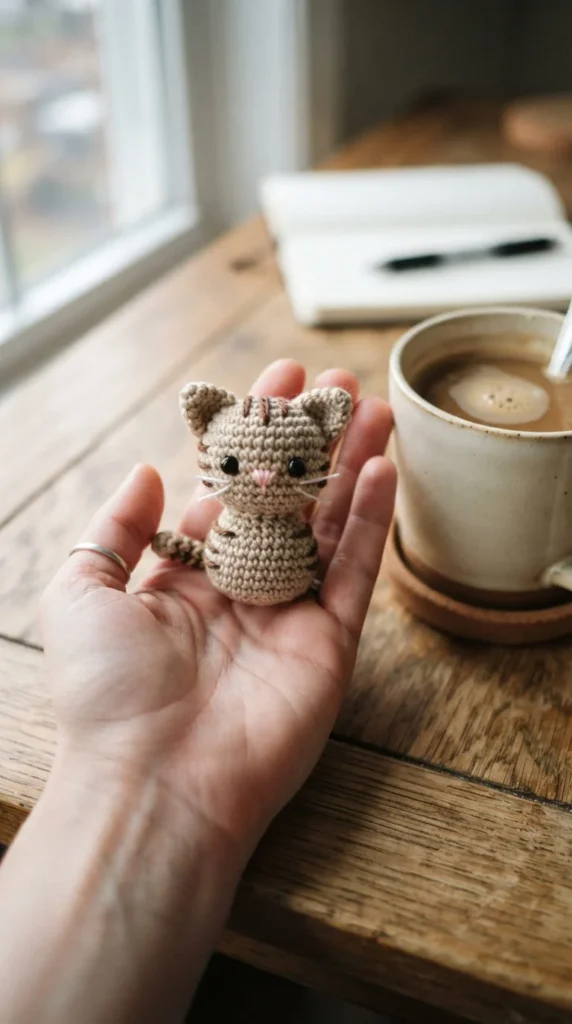
A pocket cat takes the round-ball technique from earlier and shrinks it down using thin yarn and a small hook. Because it’s tiny, it finishes in well under an hour and barely uses any yarn at all. Budget tip: this is one of the best projects for using up sock or fingering-weight scraps, since the smaller the yarn, the smaller and quicker the finished cat. Two small triangle ears are the only pieces to sew on. At this size, small imperfections barely show, which makes it a low-pressure way to practice consistent tension. Try making three or four in one sitting once you’ve got the shape down, since the pattern repeats fast at this scale. Pocket-sized amigurumi are also easy to gift, tuck into a card, or clip onto a bag with a small keyring loop.
8. Crochet a Simple Carrot
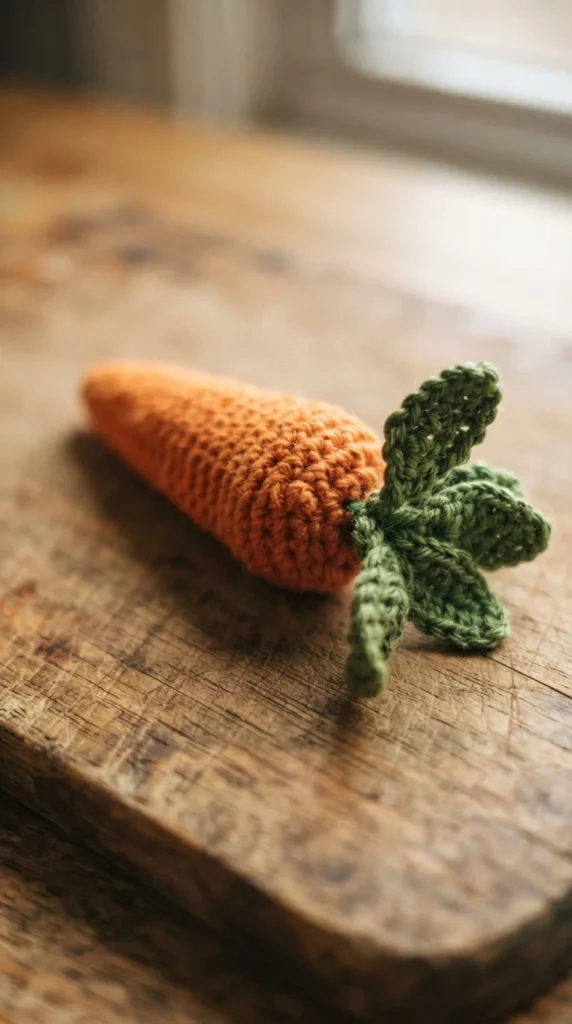
A crochet carrot is a cone-shaped project that teaches gradual decreasing in a straightforward way. Unlike a round ball, the carrot tapers steadily from wide to narrow, giving you a different kind of shaping practice. The green top is a few simple loops or a small flat piece sewn on last. Budget tip: orange and green scrap yarn covers the whole thing, and it takes under an hour. This is a good project to pair with the lemon from earlier for a themed “mini produce” set, which also makes a fun gift for a toddler learning food names. Try adding subtle ridge lines using back-loop stitches for texture if you want a bit more visual detail. Because the shape is simple and the color count is low, it’s an easy project to repeat quickly once you’ve made your first one.
9. Try a No-Sew Starfish
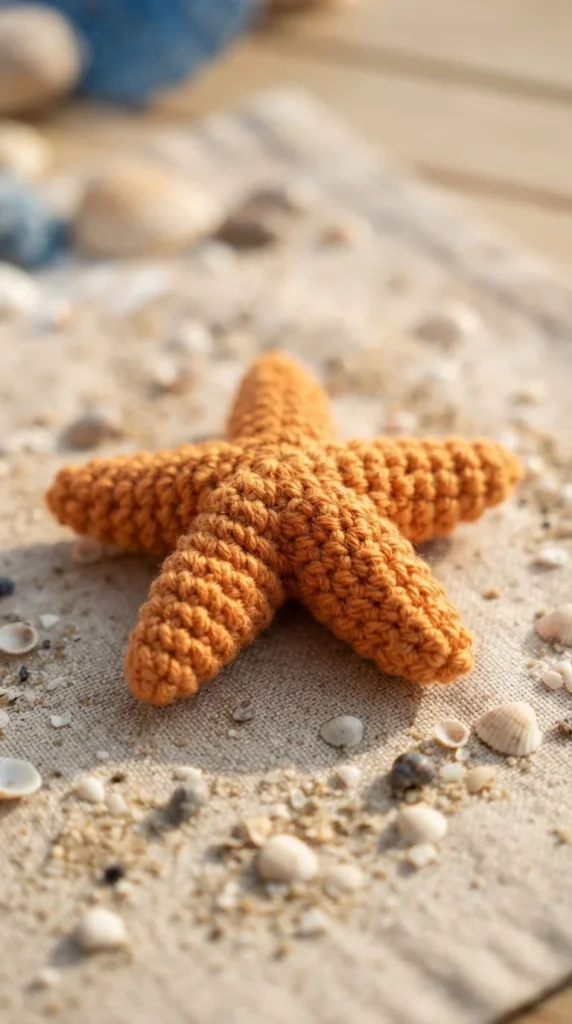
A no-sew starfish is worked in one continuous piece, arm by arm, so there’s no assembly once the last stitch is done. It’s a great project for practicing how to crochet outward from a center point rather than working in simple rounds, which is a slightly different skill than the ball-based projects earlier on this list. Budget tip: a single skein of orange or pink yarn covers several starfish, since each one uses very little material. This project takes about an hour. Because it’s flat rather than fully rounded, stuffing is light, which also makes it a quick one to finish and close. Try adding small embroidered dots along each arm for texture. It’s a fun addition to a beach or ocean-themed collection alongside other simple sea creatures, and a good example of how “no-sew” patterns can still look detailed and finished.
10. Make a Mini Octopus
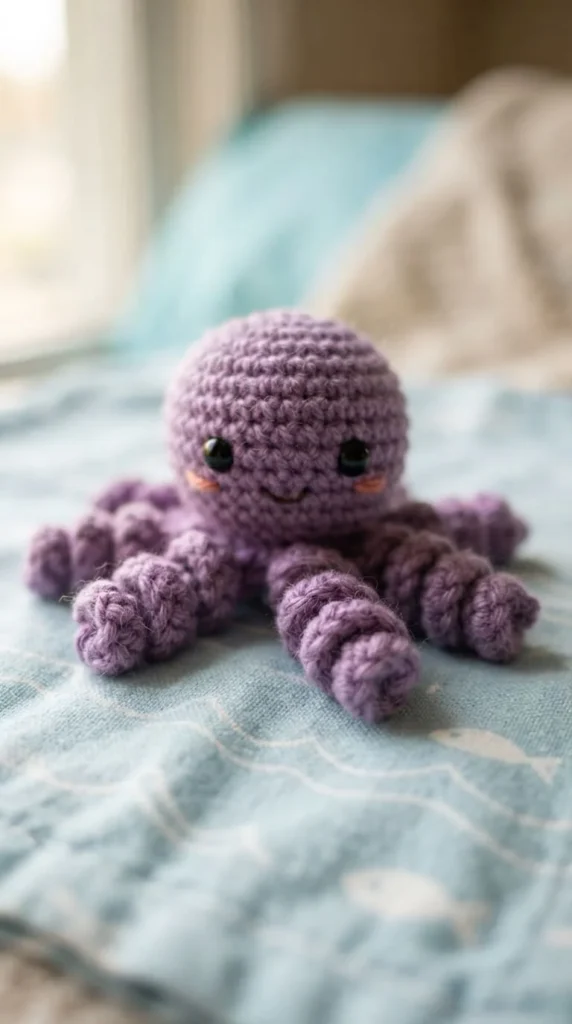
A mini octopus has a round head and several thin crocheted or braided tentacles, giving you a fun way to practice a project with more visual movement than a simple ball shape. The tentacles are usually made from simple chains or crocheted tubes, then curled by hand for a playful look. Budget tip: this project uses a small amount of yarn overall, since the tentacles are thin, making it another strong scrap-yarn option. Expect around an hour to ninety minutes. Because the tentacles are attached during the final rounds rather than sewn on separately, most octopus patterns fall into the low-sew category. Try purple, pink, or teal for a classic playful look. This is also a popular market item since it’s quick to repeat and visually distinct from the many round animal shapes common in beginner amigurumi.
11. Crochet a Basic Turtle
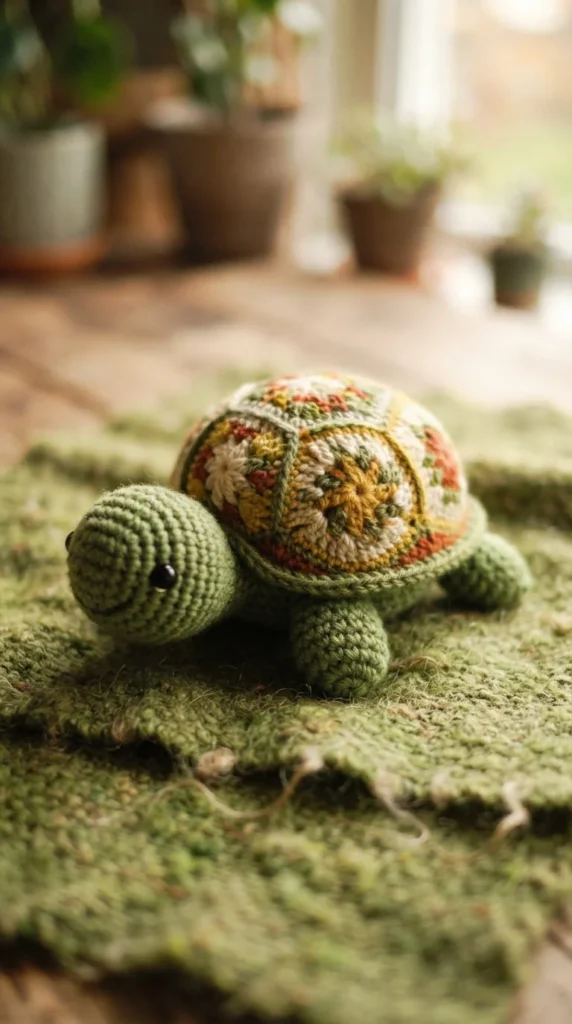
A basic turtle pairs a domed shell with a simple flat body underneath, plus four small legs and a head worked in as you go. Many turtle patterns are designed to be no-sew, so once the shell and body are joined, there’s very little finishing work left. Budget tip: use two yarn colors, one for the shell and one for the body, and you’ll likely have enough left in your stash without buying anything new. This project takes about ninety minutes. It’s a good next step once you’ve completed a no-sew frog or starfish, since the shell-joining technique is a small step up in complexity. Try a patterned shell using simple color blocks instead of one solid color for extra visual interest. Once finished, the turtle’s flat base also makes it a stable little shelf decoration.
12. Make a Simple Cookie
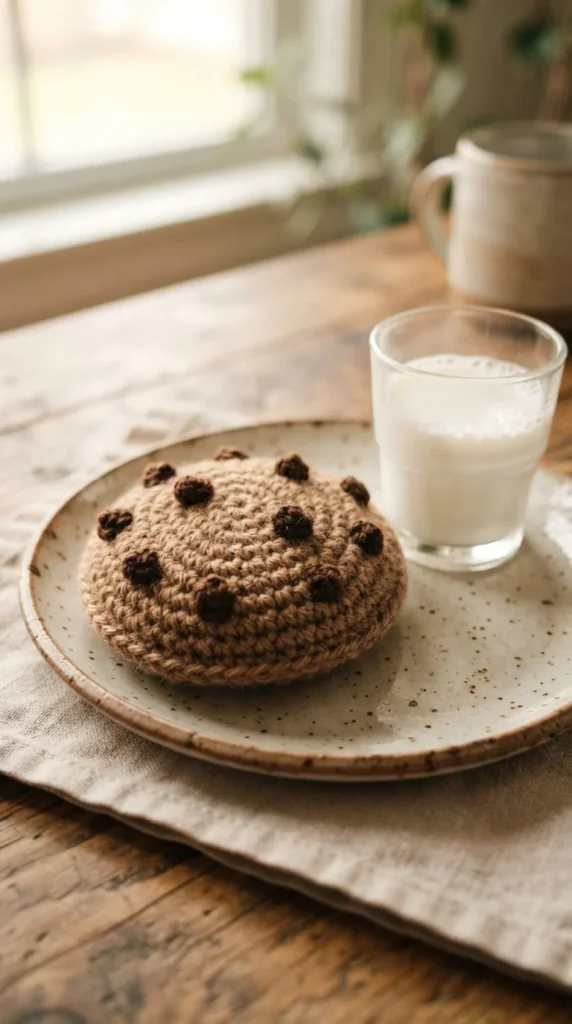
A crochet cookie is a flat, disc-shaped project that introduces a different silhouette than the round animals earlier on this list. Small brown or dark yarn “chips” are stitched directly onto the surface once the base disc is complete. Budget tip: this project barely uses any yarn, since it’s flat rather than fully stuffed, so it’s another excellent way to use up small leftover balls. It takes about 30 to 45 minutes. This is a good practice piece for working flat circles and finishing edges neatly, a skill that transfers to plenty of other food-shaped amigurumi. Try making a small stack of two or three cookies in slightly different shades for a realistic bakery look. Because it’s quick and low-material, it’s also a strong choice if you want a fast, satisfying finish after a longer project like the turtle or octopus.
13. Build a Pocket Frog Keychain
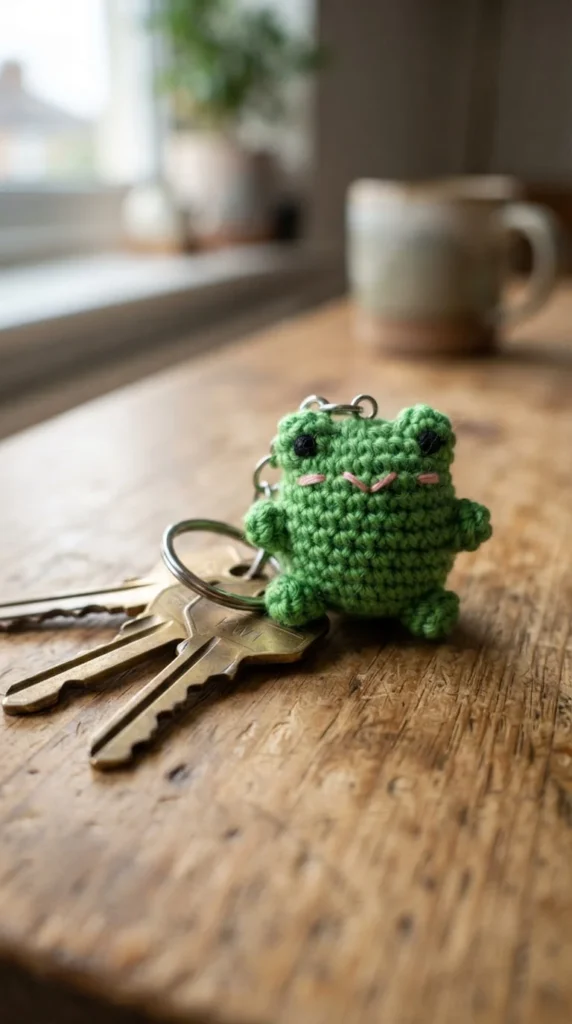
A pocket frog keychain shrinks the no-sew frog concept down to a tiny, giftable size. Using thin yarn and a small hook, this version finishes in well under an hour and clips easily onto a bag or keyring with a small metal clasp. Budget tip: a metal keyring clasp costs very little at any craft store, and the yarn itself is barely a few grams. This project is a good way to practice the same no-sew technique from the full-size frog at a faster, lower-stakes scale. Try making a small batch of four or five once you’re comfortable with the shape, since repeating a tiny pattern gets noticeably quicker each time. It’s also a strong option if you’re building toward a small handmade shop, since keychains are an easy, low-cost impulse gift that doesn’t require much yarn or time per piece.
14. Crochet a Round Chick
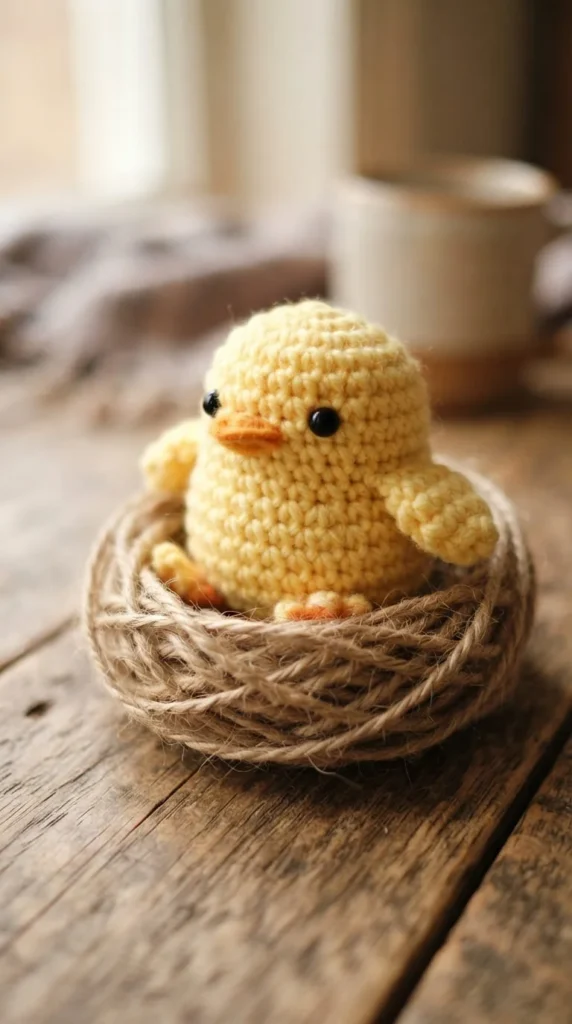
A round chick uses the same basic ball shape from your very first project, with a small orange beak and tiny wings added on. It’s an easy way to see how much you’ve improved since that first plain ball, since the shaping technique is identical but the result now looks like a real character. Budget tip: yellow yarn scraps and a tiny bit of orange for the beak are all you need. This project takes about an hour. The wings are the only pieces requiring sewing, so it’s a low-sew project overall. Try adding two small embroidered dot eyes rather than safety eyes if you’re making this for a young child. Chicks are a popular seasonal project around Easter and spring markets, and because the shape repeats quickly, it’s easy to make a small batch in one sitting.
15. Make a Traffic Cone
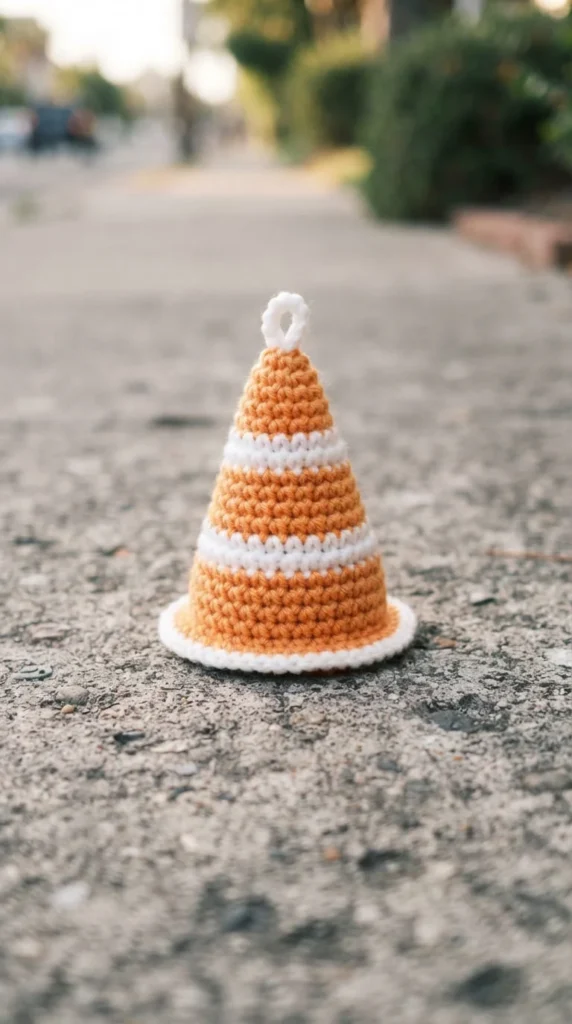
A crochet traffic cone is a quirky, non-animal project built from a simple tapering cone shape, similar in technique to the carrot from earlier but on a larger scale. White stripe details are added using a contrasting yarn color worked directly into the pattern. Budget tip: orange yarn is the main cost here, and white scraps cover the stripes, so this project stays cheap even at a slightly larger size. It takes about ninety minutes. This is a fun “weird but easy” project that stands out from the usual round animals and food shapes, making it a good conversation piece or novelty gift. Try adding a small flat base for stability so it can stand upright on a shelf. Because the shape is simple and repeatable, it’s also an easy one to make again quickly once you’ve finished your first attempt.
16. Crochet a Basic Seal
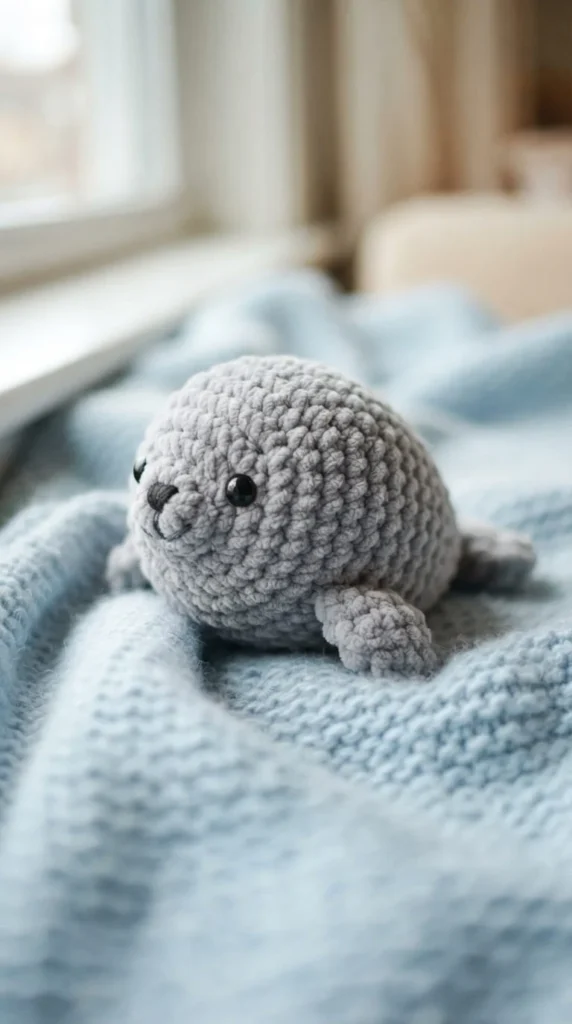
A basic seal uses a simple elongated ball shape with two small flippers and a tail worked in as you go, making it a solidly no-sew or low-sew project depending on the pattern. It’s a good next step after the whale or turtle, since the body shape is slightly different from a plain round animal. Budget tip: gray or white yarn covers the whole project, and it uses less than one full skein for a small size. Expect around an hour to ninety minutes. This project is a nice, calming make since it doesn’t involve tricky color changes or fussy details, just smooth, even shaping. Try embroidering two simple dot eyes and a small nose for a gentle, friendly expression. Once finished, its soft, rounded shape makes it a good choice for a baby-safe gift when paired with embroidered rather than safety eyes.
17. Try a Gummy Bear Shape
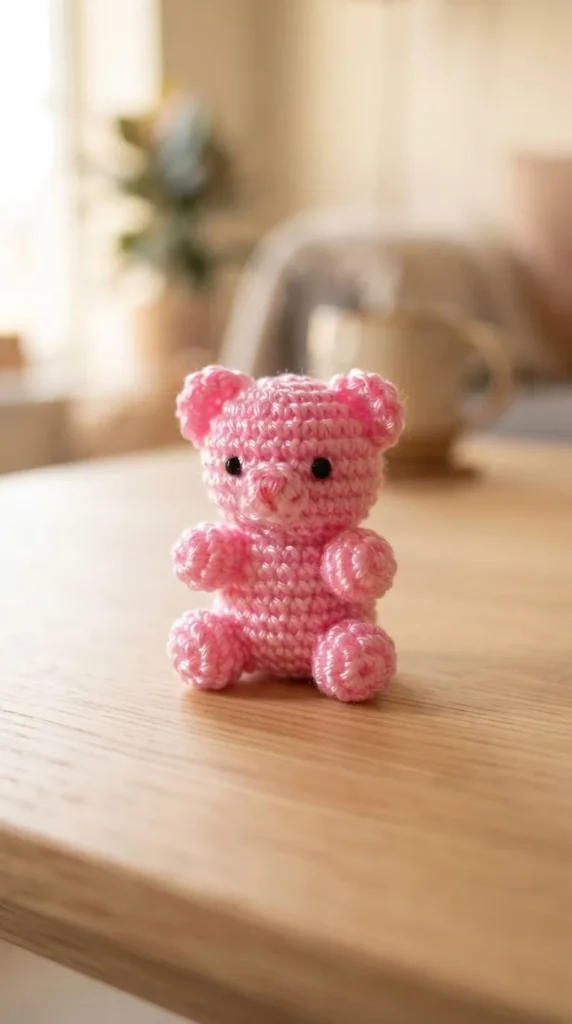
A gummy bear amigurumi is a playful, simplified bear silhouette in bright candy colors, often made without a separate face or detailed limbs to keep the shape clean and fast to finish. It’s a fun example of how a familiar object can be reimagined as a quick, colorful project. Budget tip: bright pink, orange, yellow, or green yarn scraps work perfectly, and the whole project uses well under one skein. It takes about an hour. This is a low-sew project since the arms and legs are usually worked directly into the body rather than attached separately. Try making a small rainbow set in five or six different candy colors, since the pattern repeats quickly once you know the shape. It’s also a strong “weird but easy” market item, since the bright colors and recognizable shape tend to catch attention at a craft table.
18. Make a Simple Duck
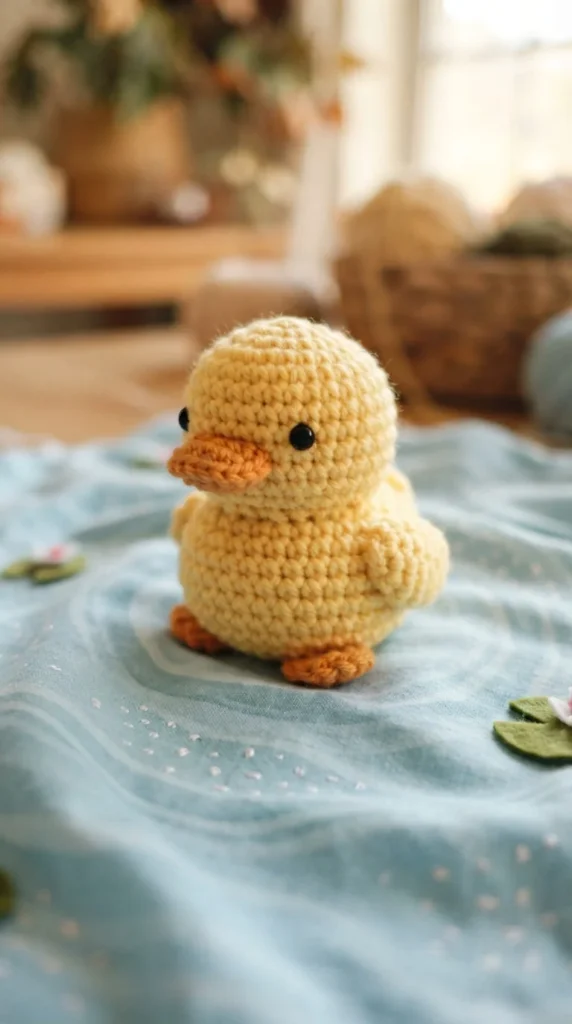
A simple duck builds on the round chick shape with a slightly different beak and a small tail detail. It’s a classic beginner project because it uses only one main color plus a small amount of orange, keeping color management light. Budget tip: this project barely uses more yarn than the chick, so it’s an easy, low-cost variation once you’ve already made one round animal. Expect about an hour to complete. The beak and small wings are the only pieces that need attaching, so it stays in the low-sew category. Try adding a tiny embroidered smile for extra charm. Ducks are consistently popular in beginner roundups and market lists alike, so this is a good project to make a small batch of, whether for personal gifts or a handmade shop table. Once you’ve made one, the next few come together much faster.
19. Crochet a Pickle
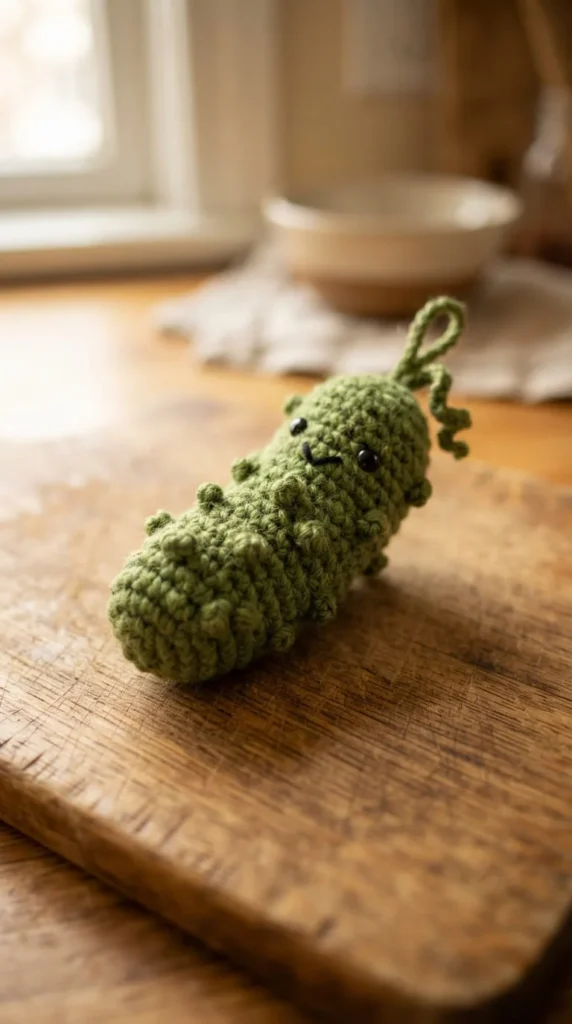
A crochet pickle is a simple elongated cylinder shape, similar in technique to the carrot but without the tapered point. Small bumpy texture details are added using tiny bobble stitches or French knots scattered across the surface. Budget tip: this project uses a small amount of green yarn, making it another good scrap-yarn choice, and takes about 45 minutes to an hour. It’s a genuinely funny, unexpected project that stands out in a gift box or market table full of more predictable animal shapes. Try adding two small embroidered eyes and a smile for a playful character version, or leave it plain for a simple decorative pickle. Because the shape is a basic cylinder, it’s also good practice for maintaining even stitch width along a longer, straighter piece rather than the curved shaping used in round animals.
20. Build a Basic Bunny
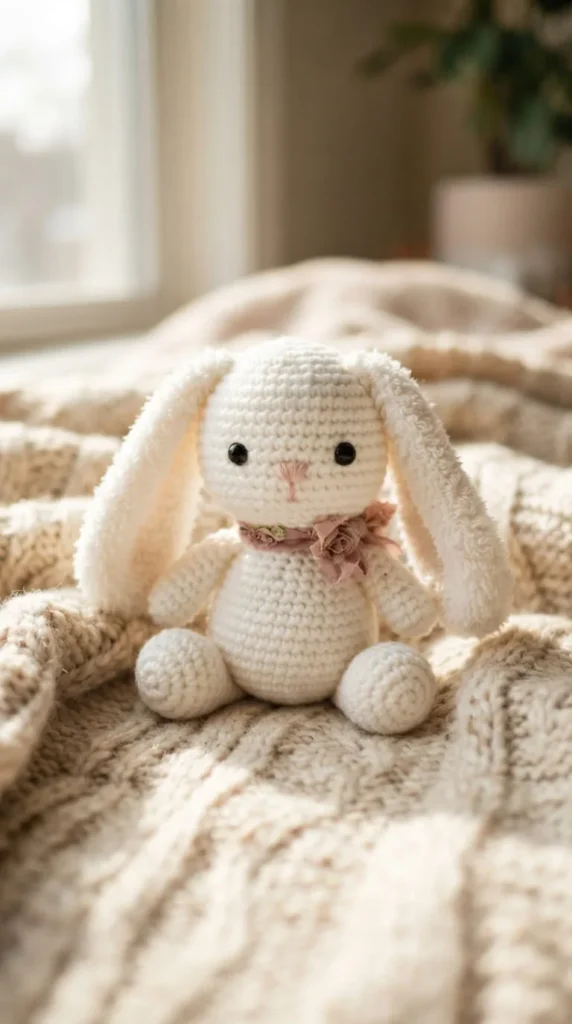
A basic bunny starts with the same round body technique from your first ball project, then adds two long ears and a small tail. It’s a good project once you’ve completed at least three or four simpler makes, since the ears require a bit more careful shaping than a flat triangle. Budget tip: white, gray, or pastel yarn scraps work well, and the tail uses only a tiny puff of extra yarn. Expect around ninety minutes total. The ears and tail are the main sewing involved, keeping this a low-sew rather than no-sew project. Try embroidering a small pink nose for extra detail. Bunnies are a consistently popular beginner and gift project, especially around spring holidays, so this is a good one to make in a small batch once you’re comfortable with the shape and timing.
21. Make a Fried Chicken Plushie
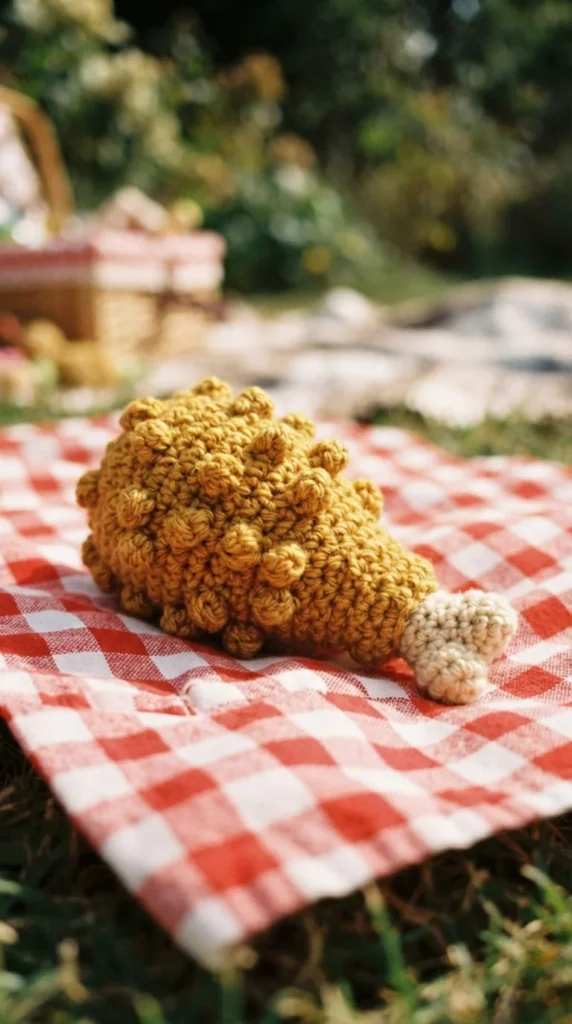
A fried chicken plushie is a genuinely funny novelty project shaped like a drumstick, using golden-brown yarn and small bobble or loop stitches to mimic a crispy texture. It’s a great example of a “weird but easy” project that gets a strong reaction as a gift. Budget tip: this project uses a small amount of yarn in one or two shades of brown, keeping the cost low even with the added texture stitches. It takes about an hour to ninety minutes. Because the shape is a simple rounded cylinder with a small handle end, it’s a low-sew project overall. Try adding tiny embroidered grease spots or a small napkin accessory for extra humor. This is a strong standout item for a handmade shop table, since it’s unexpected, quick to repeat, and instantly recognizable even without a face.
22. Crochet a Mini Dinosaur
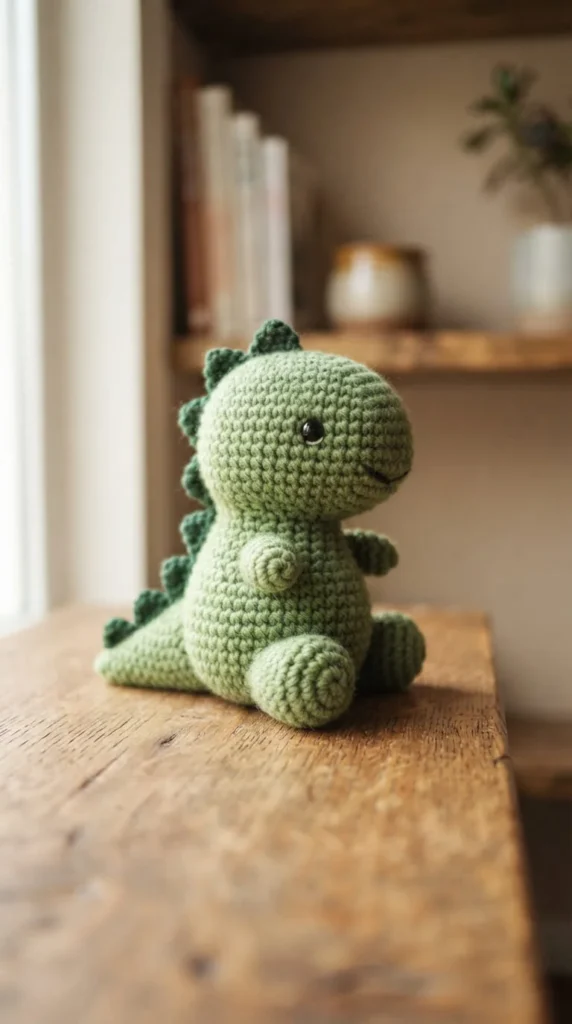
A mini dinosaur rounds out this list with a fun, no-sew design featuring a simple rounded body and a row of small spikes worked directly along the back. Because the spikes are crocheted in as you go rather than sewn on separately, most mini dino patterns fall into the true no-sew category. Budget tip: green or teal yarn scraps cover the whole project, and it takes about ninety minutes. This is a good “graduation” project after working through several of the earlier ideas, since it combines round shaping, a no-sew technique, and a bit of added texture in one pattern. Try a two-tone belly using a small amount of contrasting yarn for extra visual interest. Once finished, its friendly, rounded shape makes it a fun gift for dinosaur-loving kids, and its quick construction makes it easy to repeat for a themed mini dino collection.
Conclusion
Twenty-two projects is enough to take you from your very first magic circle to a confident little collection of finished amigurumi. Start with the plain ball, egg, or lemon to build your basic shaping skills, then move into no-sew favorites like the frog, starfish, and mini dinosaur once you’re ready to skip the sewing altogether. Mix in a few food shapes and quirky novelty pieces like the pickle or fried chicken when you want something quick and genuinely funny. None of these require expensive yarn or a big time commitment, so pick whichever idea matches your mood this week, keep your stitches even, and finish it in one sitting. Every small project adds another skill to your toolkit, and before long you’ll be reaching for a pattern instead of a beginner guide.